 Frozen Pipes in Montgomery County, PA: How to Prevent Burst Pipes and Emergency Water Damage This Winter (2026 Guide)
A Complete Winter Plumbing Protection Guide for Homeowners in Lansdale, Montgomeryville, Hatfield, North Wales, Blue Bell, Ambler, Horsham, and King of Prussia
As temperatures begin dropping across Montgomery County, Pennsylvania, homeowners face a winter threat that can cause extensive property damage: frozen and burst water pipes.
A frozen pipe may initially seem like a minor inconvenience. You turn on the kitchen faucet, and only a trickle of water comes out. Unfortunately, that reduced water pressure could be an early warning that ice has formed inside a plumbing line.
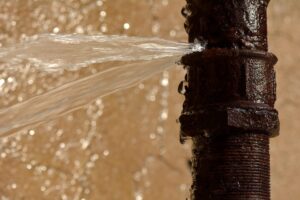
When water freezes inside a pipe, the resulting blockage and pressure changes can cause the pipe to rupture. Once the ice thaws, water may escape through the damaged section, potentially flooding basements, kitchens, bathrooms, ceilings, and finished living spaces.
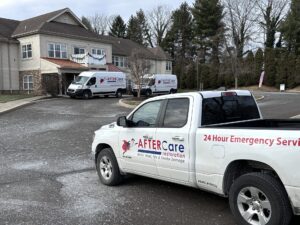
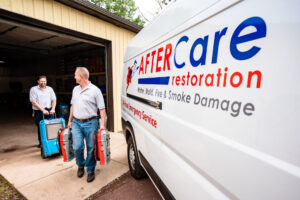 At AfterCare Restoration, we understand how quickly a plumbing emergency can disrupt your home or business. As a local, veteran-owned, IICRC Certified Firm, we provide professional water extraction, structural drying, and water damage restoration throughout Montgomery County, PA.
This 2026 winter guide explains how to prevent frozen pipes, recognize warning signs, respond to a burst pipe, and protect your property from extensive water damage.
Already dealing with a burst pipe or water damage?
📞 Call AfterCare Restoration 24/7: 215-515-1000
Veteran Owned • IICRC Certified • 1‑Hour Response • FREE Estimates
Learn more about water damage restoration in Montgomery County, PA.
 Why Frozen Pipes Are a Serious Concern for Montgomery County Homeowners
Montgomery County experiences freezing temperatures throughout the winter, particularly during overnight cold spells and extended periods of below-freezing weather.
Homes throughout Lansdale, Montgomeryville, Hatfield, North Wales, Blue Bell, Ambler, Horsham, and King of Prussia may have plumbing systems vulnerable to freezing.
The risk is not limited to older homes.
Although aging plumbing and insufficient insulation can increase vulnerability, newer homes may also contain pipes running through garages, exterior walls, crawl spaces, or other areas exposed to cold air.
Several factors can increase the risk of frozen plumbing:
- Extended periods of below-freezing temperatures
- Poorly insulated water supply lines
- Plumbing located along exterior walls
- Unheated basements and crawl spaces
- Drafts around plumbing penetrations
- Garage plumbing exposed to outdoor temperatures
- Thermostats set too low during winter travel
- Heating system failures during winter storms
One of the biggest misconceptions about frozen pipes is that the damage occurs only while the water remains frozen.
In reality, homeowners may discover significant water damage when temperatures rise, the ice melts, and water begins escaping through a damaged pipe.
That’s why winter plumbing preparation is essential.
At What Temperature Do Water Pipes Freeze?
Water freezes at 32°F, but that does not mean every household pipe will freeze whenever outdoor temperatures reach freezing.
The actual risk depends on several factors, including the temperature surrounding the pipe, insulation, air movement, water usage, and how long the pipe remains exposed to cold conditions.
Pipes located inside heated living spaces are generally less vulnerable than plumbing installed in unheated or poorly insulated areas.
Why Temperatures Around 20°F Deserve Special Attention
Outdoor temperatures near 20°F or lower are commonly used as a warning threshold for increased frozen-pipe risk, particularly where plumbing is exposed or poorly protected.
However, pipes can freeze at higher outdoor temperatures if the immediate environment around the pipe becomes cold enough.
For Montgomery County homeowners, the safest approach is to prepare vulnerable plumbing before sustained freezing weather arrives.
Do not wait until the first major winter storm to identify exposed water lines.
 The 7 Most Vulnerable Plumbing Locations in Montgomery County Homes
Knowing where pipes are most likely to freeze can help homeowners prevent expensive water damage.
1. Unheated Basements
Basements often contain the home’s main water supply, plumbing connections, and mechanical equipment.
Although many basements remain warmer than outdoor temperatures, exposed plumbing near foundation walls, basement windows, or poorly sealed openings may be vulnerable.
Pay particular attention to pipes located near exterior walls or cold drafts.
2. Crawl Spaces
Crawl spaces may have limited insulation and significant exposure to outdoor temperatures.
Water lines installed in these areas can freeze during extended cold weather, especially when cold air enters through vents or gaps.
3. Exterior Walls
Plumbing located inside exterior walls may be vulnerable when insulation is inadequate or cold air reaches the pipe.
Kitchen sinks and bathroom fixtures installed along exterior walls deserve special attention.
4. Garages
Unheated garages can become extremely cold during winter.
Water supply lines serving laundry equipment, utility sinks, or other fixtures may require additional freeze protection.
5. Attics
Plumbing installed in unheated attic spaces may be exposed to freezing conditions.
Leaks from attic plumbing can damage ceilings, insulation, walls, and multiple floors.
6. Outdoor Faucets and Hose Connections
Outdoor hose bibs are exposed to cold weather and may freeze if they are not properly winterized.
Disconnect garden hoses before freezing temperatures arrive.
Where applicable, shut off and drain outdoor water lines according to the fixture manufacturer’s instructions.
7. Vacant or Unoccupied Homes
Homes left unattended during winter can be particularly vulnerable if the heating system fails or indoor temperatures are reduced excessively.
Homeowners traveling during winter should maintain appropriate heating, consider remote temperature monitoring, and arrange for someone to check the property.
10 Ways to Prevent Frozen Pipes in Montgomery County, PA
Preventing frozen pipes is generally easier and less disruptive than dealing with the water damage caused by a plumbing failure.
The following winter preparation steps can help reduce your risk.
1. Insulate Exposed Water Pipes
Inspect accessible plumbing in basements, crawl spaces, garages, and other unheated areas.
Install appropriate pipe insulation around vulnerable water supply lines.
Insulation helps slow heat loss, although it does not guarantee that a pipe will remain unfrozen during prolonged cold conditions.
2. Maintain Adequate Indoor Heating
Keep your heating system operating during freezing weather.
If you’re leaving home for several days, avoid turning off the heat entirely.
A thermostat setting of at least 55°F is commonly recommended for winter absences, but some properties require higher temperatures to protect vulnerable plumbing.
3. Open Cabinet Doors During Extreme Cold
Kitchen and bathroom cabinets located along exterior walls may trap cold air around plumbing.
Opening cabinet doors can allow warmer indoor air to circulate around exposed pipes.
Keep household chemicals and other hazards out of reach of children and pets.
4. Allow Vulnerable Faucets to Drip When Appropriate
During severe cold, allowing a small amount of water to flow through a vulnerable pipe may help reduce freezing risk.
Follow guidance from your local water utility, particularly if water restrictions are in effect.
This should be considered a temporary precaution rather than a substitute for insulation or proper plumbing protection.
5. Disconnect Outdoor Garden Hoses
Remove garden hoses before winter.
A connected hose can trap water and contribute to freezing within the outdoor faucet or supply line.
Drain and winterize exterior plumbing according to the type of fixture installed.
6. Seal Drafts Around Plumbing
Cold air entering through foundation openings, wall penetrations, or poorly sealed windows can expose pipes to freezing conditions.
Inspect accessible areas around plumbing and seal appropriate gaps.
Do not block required ventilation openings or compromise combustion-air requirements for heating equipment.
7. Inspect Your Heating System
A heating system failure during freezing weather can increase the risk of burst pipes.
Schedule appropriate heating system maintenance before winter.
If your home loses heat during extreme cold, monitor indoor temperatures and protect vulnerable plumbing.
8. Know Where Your Main Water Shutoff Valve Is Located
Every homeowner should know how to shut off the home’s main water supply.
If a pipe bursts, turning off the water quickly may substantially reduce the amount of water entering the property.
Make sure the shutoff valve is accessible and that responsible household members know its location.
9. Install Water Leak Detection Sensors
Water detection alarms can provide early warnings when plumbing leaks occur.
Consider placing sensors near:
- Water heaters
- Washing machines
- Basement plumbing
- Utility sinks
- Bathrooms
- Sump pump areas
- Other vulnerable plumbing locations
Some monitoring systems can send notifications to a smartphone or automatically shut off the water supply.
10. Have Vulnerable Plumbing Evaluated Before Winter
If your home has experienced frozen pipes previously, contact a qualified plumber to evaluate the affected plumbing.
A professional may recommend improved insulation, pipe relocation, approved heat-tracing systems, or other protective measures.
The best time to prevent frozen pipes is before the first extended period of freezing weather.
Warning Signs That Your Pipes May Already Be Frozen
Frozen pipes are not always immediately obvious.
In some situations, a homeowner may notice reduced water flow before a pipe ruptures.
Watch for these warning signs.
Little or No Water Coming From a Faucet
If a faucet suddenly produces very little water during freezing weather, ice may be blocking the supply line.
Check whether other fixtures are affected.
A localized problem may indicate a frozen section of plumbing, although other plumbing issues can cause similar symptoms.
Visible Frost on Exposed Pipes
Frost or ice forming on accessible plumbing may indicate that the pipe is exposed to freezing conditions.
Do not assume the pipe is undamaged.
Unusual Plumbing Noises
Changes in plumbing sounds may occur when water flow is restricted.
However, unusual noises alone do not confirm a frozen pipe.
Unexpected Water Stains
Water stains on ceilings, walls, or floors may indicate that a pipe has already developed a leak.
Water Pressure Changes
A sudden reduction in water pressure during freezing weather may indicate a plumbing restriction.
If you suspect a frozen pipe, take action before the problem develops into a major water damage emergency.
 What to Do If You Discover a Frozen Pipe
If you believe a water pipe has frozen, respond carefully.
Step 1: Locate the Affected Plumbing
Determine which fixture has reduced or interrupted water flow.
If the frozen section is not accessible or you are uncertain about its location, contact a licensed plumber.
Step 2: Check for Signs of Damage
Look for visible cracks, leaks, or water stains.
If the pipe appears damaged, shut off the water supply when safe and contact a plumber.
Step 3: Use Only Safe Thawing Methods
For an accessible pipe that is confirmed to be intact, gentle warming may be appropriate.
However, do not use open flames, propane torches, charcoal heaters, or other dangerous heating methods.
Electrical appliances should never be used where water creates a shock hazard.
If you are unsure how to thaw a pipe safely, have a qualified plumber handle the problem.
Step 4: Monitor for Leaks
A pipe may have ruptured even if the damage is not immediately visible.
Water can begin escaping when the ice blockage melts.
Be prepared to shut off the main water supply.
Step 5: Contact a Professional if Damage Occurs
If water has escaped into walls, ceilings, flooring, or other building materials, professional water damage restoration may be necessary.
AfterCare Restoration provides 24/7 emergency water extraction and structural drying throughout Montgomery County.
What to Do Immediately If a Frozen Pipe Bursts
A burst pipe can release water into your home and create significant property damage.
Taking the correct steps can help limit additional damage.
1. Shut Off the Main Water Supply
If you can safely access the main shutoff valve, turn off the water immediately.
This can reduce the amount of water escaping from the damaged plumbing.
2. Avoid Electrical Hazards
Never enter standing water when electrical outlets, wiring, or appliances may be submerged or energized.
Do not attempt to access an electrical panel through standing water.
Contact a qualified electrician or utility provider when electrical hazards are present.
3. Contact a Licensed Plumber
A plumber should identify and repair the damaged pipe.
The plumbing repair and the water damage restoration are separate but related parts of the recovery process.
4. Document the Damage
If it is safe, take photographs of visible water damage.
Document affected flooring, walls, ceilings, furniture, and belongings.
These records may be useful when communicating with your insurance company.
5. Contact AfterCare Restoration
Even after the water supply has been shut off, moisture may remain inside walls, beneath flooring, and within insulation.
Professional water extraction and drying can help reduce additional property damage.
Call AfterCare Restoration 24/7 at 215-515-1000 for emergency burst pipe water damage cleanup.
Explore our professional water and flood damage restoration services.
How Much Damage Can a Burst Pipe Cause?
The extent of damage depends on the size of the pipe opening, water pressure, how long the leak continues, and which areas of the property are affected.
A pipe that ruptures inside a finished wall can allow water to spread into concealed spaces before homeowners notice the problem.
Potential damage includes:
- Saturated drywall
- Wet insulation
- Damaged hardwood flooring
- Water beneath luxury vinyl or laminate flooring
- Ceiling damage
- Wet carpeting and padding
- Damaged cabinets
- Electrical system concerns
- Water intrusion into basement living spaces
- Damage to furniture and personal belongings
Water may also travel between floors or through wall cavities.
This is why professional moisture detection is important following significant plumbing failures.
Removing visible water does not necessarily mean that all affected materials are dry.
How Professional Burst Pipe Water Damage Restoration Works
When a frozen pipe bursts, professional restoration involves more than repairing the plumbing.
AfterCare Restoration helps homeowners identify affected materials, remove excess water, and dry the property.
Initial Water Damage Assessment
Our team evaluates accessible affected areas and identifies where water may have traveled.
We assess the type and extent of water damage, including moisture that may remain in flooring, walls, and other building materials.
Emergency Water Extraction
Professional extraction equipment removes accessible standing water.
Prompt extraction helps reduce continued moisture exposure.
Moisture Detection
Water can migrate beneath flooring, behind baseboards, and into wall cavities.
Moisture meters and other assessment tools help determine which materials require additional drying or evaluation.
Structural Drying and Dehumidification
Depending on the conditions, commercial air movers and dehumidifiers may be installed.
Drying equipment helps remove moisture from affected materials and the surrounding environment.
Drying Progress Monitoring
Our technicians monitor moisture levels and make adjustments as needed.
Drying goals depend on the materials and conditions of the loss.
Reconstruction and Repairs
Some water damage projects require replacement of affected drywall, flooring, insulation, trim, or other building materials.
AfterCare Restoration provides reconstruction services following water damage mitigation.
Our goal is to help homeowners move from the initial emergency through the necessary restoration and repairs.
Frozen Pipe Prevention in 8 Montgomery County Communities
AfterCare Restoration serves homeowners and businesses throughout Montgomery County.
Although freezing temperatures affect the entire region, plumbing vulnerability depends on each property’s construction, insulation, heating, and maintenance.
Frozen Pipes in Lansdale, PA
Lansdale contains established neighborhoods, older homes, townhomes, and newer residential properties.
Homeowners should inspect exposed plumbing in basements, exterior walls, and other cold areas.
Older plumbing connections and poorly insulated water lines may require additional attention before winter.
If a pipe bursts, water may spread into finished basement spaces, drywall, and flooring.
AfterCare Restoration provides emergency water extraction and structural drying throughout Lansdale.
Water Damage Restoration in Lansdale, PA
Frozen Pipes in Montgomeryville, PA
Montgomeryville homeowners should pay particular attention to plumbing in unheated garages, utility rooms, crawl spaces, and exterior walls.
During extended cold weather, exposed pipes may become vulnerable to freezing.
Water damage from a burst pipe can affect finished basements, living areas, and adjoining rooms.
AfterCare Restoration provides professional water damage cleanup and restoration throughout Montgomeryville.
Water Damage Restoration in Montgomeryville, PA
Frozen Pipes in Hatfield, PA
Homes throughout Hatfield Borough and Hatfield Township can experience frozen plumbing when water lines are exposed to cold conditions.
Homeowners should inspect basement pipes, exterior faucets, and plumbing in poorly heated areas.
If a frozen pipe ruptures, prompt water shutoff and professional cleanup can help limit damage.
AfterCare Restoration serves residential and commercial properties throughout Hatfield.
Water Damage Restoration in Hatfield, PA
Frozen Pipes in North Wales, PA
North Wales homeowners should inspect vulnerable plumbing before winter temperatures arrive.
Pipes installed near exterior walls, basement windows, or unheated spaces may require additional protection.
Water escaping from a damaged pipe can spread beneath flooring and into finished walls.
AfterCare Restoration provides emergency water extraction, moisture assessment, and structural drying throughout North Wales.
Water Damage Restoration in North Wales, PA
Frozen Pipes in Blue Bell, PA
Many Blue Bell homes contain finished basements, utility rooms, and plumbing systems serving multiple living areas.
A burst pipe can damage flooring, drywall, cabinetry, and valuable personal belongings.
Homeowners should consider leak detection systems and inspect plumbing in vulnerable locations.
AfterCare Restoration provides water damage restoration services throughout Blue Bell.
Water Damage Restoration in Blue Bell, PA
Frozen Pipes in Ambler, PA
Ambler and surrounding communities contain established homes, historic properties, and newer residential construction.
Older homes may have plumbing installed in locations that are difficult to insulate or protect from cold air.
Homeowners should inspect exposed water lines, foundation penetrations, and plumbing near exterior walls.
AfterCare Restoration provides burst pipe water damage cleanup and structural drying throughout Ambler.
Emergency Water Damage Restoration in Ambler, PA
Frozen Pipes in Horsham, PA
Horsham homeowners should prepare for winter by checking exposed plumbing, outdoor faucets, and utility areas.
A frozen pipe may rupture inside a wall or ceiling, allowing water to spread into adjoining rooms.
Professional moisture detection helps identify affected materials beyond the visible leak.
AfterCare Restoration provides emergency water removal and water damage restoration throughout Horsham.
Water Damage Restoration in Horsham, PA
Frozen Pipes in King of Prussia, PA
King of Prussia and Upper Merion Township contain residential properties, apartments, offices, and commercial buildings.
Frozen plumbing can affect both homeowners and businesses.
Commercial properties may have plumbing installed in mechanical rooms, unheated storage areas, and other vulnerable spaces.
A burst pipe can damage building materials, equipment, and occupied spaces.
AfterCare Restoration provides residential and commercial water damage restoration throughout King of Prussia.
Water Damage Restoration in King of Prussia, PA
Does Homeowners Insurance Cover Frozen or Burst Pipe Water Damage?
Homeowners insurance may cover certain types of sudden and accidental water damage caused by a burst pipe.
However, coverage depends on the specific policy, cause of the damage, maintenance conditions, and applicable exclusions.
For example, insurers may evaluate whether the homeowner maintained appropriate heating or took reasonable precautions to protect plumbing during freezing weather.
Some policies contain special conditions for vacant or unoccupied homes.
Homeowners should review their coverage with their insurance agent.
What to Do When Filing an Insurance Claim
If a frozen pipe bursts:
- Stop the water source when safe.
- Take reasonable steps to prevent additional damage.
- Photograph the affected areas.
- Contact your insurance company.
- Keep records of emergency services and repairs.
- Obtain documentation of the water damage restoration work.
AfterCare Restoration can document affected areas, prepare restoration estimates, and communicate with insurance adjusters regarding the recommended restoration work.
Your insurance company determines coverage and payment under your policy.
Why Winter Water Damage Requires Prompt Attention
When a pipe bursts, the visible water may represent only part of the problem.
Moisture can become trapped beneath flooring, behind drywall, and inside insulation.
Even after the plumbing has been repaired, affected building materials may require professional drying.
Under favorable conditions, mold can begin developing on damp, susceptible materials within 24–48 hours.
Prompt water extraction and appropriate drying can help reduce the likelihood of additional damage.
If your property has experienced significant water intrusion, contact a qualified restoration professional rather than relying solely on fans or household cleaning equipment.
Frequently Asked Questions About Frozen Pipes in Montgomery County, PA
1. At what temperature do pipes freeze in Pennsylvania?
Water freezes at 32°F, but household pipes do not necessarily freeze as soon as outdoor temperatures reach that point. The risk depends on insulation, pipe location, exposure, and the duration of cold conditions. Outdoor temperatures near 20°F or lower can increase the risk for vulnerable plumbing.
2. How can I prevent my pipes from freezing during winter?
Insulate exposed pipes, maintain adequate indoor heating, seal cold-air drafts, disconnect outdoor hoses, and protect plumbing in unheated areas. During severe cold, additional precautions may be appropriate for vulnerable pipes.
3. What should I do if my water pipes are frozen?
If you suspect a frozen pipe, check for visible leaks or damage. If the pipe appears damaged, shut off the water supply when safe and contact a licensed plumber. Never use an open flame to thaw frozen plumbing.
4. Can frozen pipes burst even if no water is running?
Yes. Freezing can create pressure conditions that damage a pipe even when fixtures are not being used. A leak may become apparent only after the ice begins to thaw.
5. How much water damage can a burst pipe cause?
Damage depends on the size of the rupture, water pressure, leak duration, and affected materials. Water can spread into walls, ceilings, flooring, insulation, and finished basements before the problem is discovered.
6. Does homeowners insurance cover burst pipes in Montgomery County, PA?
Some homeowners policies cover sudden and accidental water damage from burst plumbing. However, exclusions and requirements relating to maintenance, heating, and vacant properties may apply. Review your specific policy with your insurer.
7. Should I call a plumber or a water damage restoration company first?
If a pipe is actively leaking, shut off the water when safe and contact a licensed plumber to repair the plumbing. If water has damaged building materials, contact a restoration company for extraction, moisture assessment, and drying. Both services may be needed.
8. How long does it take to dry a home after a burst pipe?
Structural drying often takes several days, but the actual timeframe depends on the amount of water, affected materials, moisture levels, and environmental conditions. Professional monitoring helps determine when drying goals have been achieved.
9. Can a burst pipe cause mold?
Yes. If moisture remains in susceptible building materials, conditions may support mold growth. Prompt water extraction and thorough drying help reduce that risk.
10. Who provides emergency burst pipe water damage cleanup in Montgomery County, PA?
AfterCare Restoration provides 24/7 emergency water damage restoration throughout Montgomery County, including Lansdale, Montgomeryville, Hatfield, North Wales, Blue Bell, Ambler, Horsham, and King of Prussia.
Our services include water extraction, moisture detection, structural drying, and restoration following plumbing failures.
Call 215-515-1000 for emergency assistance.
Why Choose AfterCare Restoration for Burst Pipe Water Damage?
When a frozen pipe bursts, homeowners need a restoration company that understands the urgency of water damage and the importance of clear communication.
AfterCare Restoration is a local, family- and veteran-owned IICRC Certified Firm with more than 30 years of contracting experience and over 15 years of restoration expertise.
Our services include:
- 24/7 emergency water damage restoration
- Professional water extraction
- Moisture detection and monitoring
- Structural drying and dehumidification
- Burst pipe water damage cleanup
- Basement flooding cleanup
- Water damage repairs
- Reconstruction following restoration
- Restoration documentation for insurance claims
We believe every homeowner deserves honest recommendations, professional workmanship, and respectful communication.
Our six core values—honesty, hard work, professionalism, compassion, communication, and responsibility—guide our approach to every restoration project.
Protect Your Montgomery County Home Before Winter Arrives
Frozen pipes are a preventable source of winter water damage in many homes.
Taking time to insulate vulnerable plumbing, maintain adequate heating, inspect outdoor faucets, and locate your main water shutoff valve can help reduce the risk of a costly plumbing emergency.
Whether you live in Lansdale, Montgomeryville, Hatfield, North Wales, Blue Bell, Ambler, Horsham, or King of Prussia, winter preparation is an important part of protecting your property.
And if a frozen pipe does burst, acting quickly can help limit additional damage.
Emergency Burst Pipe Water Damage Restoration in Montgomery County, PA
AfterCare Restoration provides professional water extraction, structural drying, moisture detection, and water damage repairs throughout Montgomery County.
Call AfterCare Restoration 24/7 at 215-515-1000.
Veteran Owned | IICRC Certified | Emergency Restoration Services
Additional Montgomery County Water Damage Resources
Montgomery County Water Damage Restoration
Professional Water and Flood Damage Restoration
Burst Pipe Cleanup in Montgomery County, PA
Emergency Restoration Frequently Asked Questions