FAQ – Emergency Restoration



Emergency Restoration FAQs for Pennsylvania Homeowners
Unexpected property damage can leave you with a lot of questions. What should you do first? Can you stay in your home? What can be saved, and how does the insurance process work?
AfterCare Restoration provides clear answers and practical support for water damage, sewage backups, mold, fire, smoke, and storm damage. As a local, veteran-owned, IICRC Certified Firm, we help homeowners and businesses understand the restoration process—from the initial assessment through cleanup and repairs.
Need emergency assistance? Call AfterCare Restoration at 215-515-1000. Our emergency team is available 24/7. We’ll discuss your situation, explain availability, and provide an estimated arrival time.
Emergency Response and Your First Steps
What should I do first during a property damage emergency?
Start with the safety of everyone in the building. Leave the affected area if there is standing water near electrical equipment, suspected structural damage, an active fire, or another immediate hazard. Call 911 for emergencies involving immediate danger.
For a plumbing leak, shut off the water only if the valve is safely accessible. Never walk through standing water to reach an electrical panel or shutoff.
Once you are safe, contact your insurer and a restoration professional. Take photographs from a safe location if doing so will not delay evacuation or emergency assistance.
Do you provide 24/7 emergency restoration services?
Yes. AfterCare Restoration provides round-the-clock emergency assistance for water damage, sewage backups, fire damage, and storm-related property damage.
When you call, describe what happened, whether water is still entering, and any known access or safety concerns. This helps our team prepare and explain the next steps.
How quickly can your team arrive?
We work to respond promptly, but arrival times depend on your location, road conditions, weather, and current emergency demand. However we typically have a 1 hour response time!
We’ll provide an estimated arrival time when you call and communicate about scheduling. During widespread storms, safe access and conditions may affect response times.
What happens during the first restoration visit?
The first visit focuses on understanding the damage and determining what can safely begin. Depending on the situation, our team may:
- Assess affected rooms and building materials.
- Identify moisture patterns and discuss the likely source.
- Photograph and document damage.
- Explain recommended emergency work.
- Begin authorized water removal, property protection, or other mitigation.
- Identify repairs requiring a plumber, electrician, roofer, or another specialist.
We explain the proposed work and authorization before proceeding.
What is the difference between mitigation and restoration?
Mitigation means taking steps to limit additional damage, such as removing water, drying materials, or securing broken windows.
Restoration includes the work needed to recover the property after the initial damage is controlled. That may involve cleaning, replacing damaged materials, and rebuilding affected areas.
Some projects need only cleanup and drying. Others require both mitigation and reconstruction.
Water Damage Restoration FAQs
How long does it take to dry a home after water damage?
Structural drying often takes several days, but the timeline depends on the amount of water, affected materials, contamination, temperature, humidity, and access to concealed spaces.
Removing standing water is only the beginning. Flooring, framing, and wall cavities may retain moisture after exposed surfaces appear dry.
We monitor drying progress and explain when materials have reached appropriate drying goals. Reconstruction, when needed, adds time beyond the drying phase.
How do you find water damage that is not visible?
We assess visible damage and use moisture-detection equipment to check surrounding materials. Depending on the situation, thermal imaging can help identify temperature patterns that warrant further investigation, but it does not independently prove that a material is wet.
Moisture readings and, when necessary, access to concealed areas help establish how far the water has traveled. This guides drying and removal decisions.
Can I clean up water damage myself?
A small spill from a clean source on a nonporous surface may be manageable if you can safely remove the water and dry the area completely.
Seek professional guidance when water has reached wall cavities, insulation, flooring layers, or other concealed materials. Sewage, outdoor floodwater, electrical concerns, and extensive damage require additional precautions.
Learn more about DIY water damage cleanup risks.
Can I use household fans or my HVAC system to dry the property?
Household fans do not establish whether hidden materials are dry. Air movement can also spread contaminants when sewage or mold is involved.
If HVAC equipment or ductwork has been flooded, have it assessed before operation. The CDC’s flooded-home guidance explains electrical and HVAC precautions.
Professional drying uses equipment selected for the affected materials and conditions, with moisture monitoring to guide adjustments.
Will wet drywall, flooring, or cabinets need replacement?
Not always. The decision depends on contamination, material condition, exposure, and whether effective cleaning and drying are possible.
Some materials can be restored. Others may be swollen, deteriorated, contaminated, or inaccessible for drying and require removal.
We explain the findings and recommended work rather than assuming that every wet material must be replaced.
Can I turn off the drying equipment at night?
Contact your project team before switching off or moving equipment. Interruptions can slow drying and change conditions in the affected area.
If noise, heat, or access is causing difficulty, let us know so we can discuss options. If equipment appears damaged or creates an immediate safety concern, keep away and contact the team promptly.
Learn more about Water Damage Restoration.
Sewage Backup Cleanup FAQs
What should I do if sewage backs up into my home?
Keep people and pets out of the affected area. Avoid contact with the water and contaminated belongings, and stop using affected plumbing fixtures until the cause has been assessed.
Do not use household fans to blow air across contaminated materials. Contact a qualified plumber to address the blockage or failure and a restoration team to assess cleanup needs.
What causes sewage backups?
Possible causes include blocked drains, tree roots entering sewer lines, damaged piping, and problems affecting the public sewer system.
The correct repair depends on where the problem originates. A plumbing assessment helps determine whether the issue is within the building, the private sewer connection, or elsewhere.
Cleanup should be coordinated with correction of the source so that contamination does not recur.
What does professional sewage cleanup involve?
Work may include containing the affected area, extracting contaminated water, removing materials that cannot be restored, cleaning, applying appropriate disinfectants, and drying remaining materials.
The scope depends on how far contamination traveled and which materials were affected. Cleaning products must be used according to their instructions; treatment alone does not make every contaminated material salvageable.
Can I stay in my home during sewage cleanup?
That depends on the extent of contamination, whether work areas can be isolated, access to usable bathrooms, and household needs.
Our team will explain the work conditions and whether temporary relocation should be considered. An unaffected room alone does not establish that the entire home is suitable for occupancy.
If anyone has health concerns, seek advice from their healthcare professional.
Learn more about Sewage Cleanup.
Mold Assessment and Remediation FAQs
What are common signs of a mold or moisture problem?
Visible growth, persistent musty odors, recurring condensation, and previous water damage can justify further assessment.
Discoloration is not always mold, and odors alone do not reveal the source. An inspection should consider both affected materials and the conditions allowing moisture to collect.
Can mold grow without a water leak?
Yes. High humidity and condensation can support growth even without standing water.
Bathrooms, basements, attics, and cool surfaces behind furniture can develop persistent moisture. The EPA recommends keeping indoor humidity below 60%, ideally between 30% and 50%, when possible.
Can I remove mold myself?
The EPA says homeowners can often handle areas smaller than about 10 square feet with appropriate precautions. However, extensive water damage, contaminated water, suspected HVAC involvement, or hidden growth can make the situation more complex.
The EPA’s mold cleanup guidance explains when to seek additional help. Area size is a guide, not the only consideration.
Do I need mold testing before remediation?
Not necessarily. Visible growth and a clear moisture problem may provide enough information to plan work.
Testing may be useful when it answers a specific question or forms part of an independent assessment. Ask what the results would change about the proposed plan. The EPA notes that sampling is generally unnecessary when visible mold is present.
Can mold affect my health?
Mold can cause allergic reactions and irritation and can trigger asthma symptoms in susceptible people. Individual responses vary.
Symptoms alone cannot establish whether a building has a mold problem or identify its cause. A healthcare professional can advise on symptoms, while a property assessment addresses moisture and affected materials. See the EPA’s homeowner mold guide.
How long does mold remediation take?
The schedule depends on the affected area, access, materials requiring removal, and moisture-source repairs.
Cleanup, drying, evaluation, and rebuilding may follow different schedules. We explain the proposed phases and update you if opening concealed areas reveals additional work.
Can mold return after remediation?
Yes, if moisture persists or a new problem develops. Prevention depends on correcting leaks, controlling humidity, and maintaining ventilation and drainage.
The goal is to address indoor growth and its cause—not promise a permanently spore-free home. Review follow-up maintenance and any outstanding repairs before the project concludes.
Learn more about Mold Remediation.
Fire Damage Restoration FAQs
What should I do immediately after a house fire?
Get everyone to safety and follow emergency officials’ instructions. Do not reenter until authorities say it is safe, and do not reconnect utilities or use damaged equipment without appropriate clearance.
Once immediate safety needs are addressed, contact your insurer and arrange assessment of property protection and restoration needs.
The U.S. Fire Administration’s recovery resources provide guidance for the first steps after a home fire.
Can I clean fire damage myself?
Before beginning, have the damage assessed. Fire can leave soot, water damage, damaged wiring, and weakened materials beyond the visibly burned area.
Cleaning methods vary with the residue and surface. The wrong approach can spread soot or damage finishes. Professional guidance helps determine which tasks require specialist handling and which belongings may be recoverable.
What does fire damage restoration include?
Depending on the loss, work may include:
- Emergency board-up or temporary weather protection.
- Water removal following firefighting.
- Assessment and removal of damaged materials.
- Soot and residue cleaning.
- Contents cleaning and storage.
- Odor treatment.
- Reconstruction and finish repairs.
Each property needs its own scope. Our team explains priorities and the expected sequence before work begins.
How long does fire restoration take?
Limited cleaning projects may take days, while extensive damage requiring reconstruction can take weeks or months.
Structural repairs, permits, inspections, material availability, and changes discovered during work can affect the schedule. We distinguish emergency protection, cleanup, and rebuilding so you understand progress at each stage.
Explore Fire Damage Restoration.
Smoke, Soot, and Belongings FAQs
Can smoke affect rooms that were not burned?
Yes. Smoke can move through openings and into adjoining spaces, leaving residues beyond the fire’s starting point.
Assessment may include nearby rooms, belongings, concealed areas, and HVAC components where appropriate. The extent depends on the fire, airflow, and building layout.
Can smoke odors be removed?
Professional cleaning and treatment can often substantially reduce or eliminate smoke odors, but results depend on the materials and extent of contamination.
The process begins with finding and removing odor sources. Cleaning, selective material replacement, and appropriate deodorization may be needed. Fragrance alone does not resolve embedded residue.
Does every smoke-damaged home need the same treatment?
No. Treatment should match the residue, materials, and affected spaces.
A plan may include specialized surface cleaning, filtration, contents treatment, or removal of materials that cannot be restored. Ask why each method is recommended and what occupancy precautions apply.
Ozone is not an ordinary occupied-space air cleaner; the EPA explains its potential health risks. Any specialized treatment requires appropriate controls.
Can furniture, clothing, and other belongings be saved?
Many items may be recoverable, but the decision depends on heat exposure, residue, water damage, material type, and condition.
We assess belongings and explain recommended cleaning or replacement. Contents may need transport for specialized treatment or storage during repairs.
Do not power on exposed electronics or assume food and medications remain usable. Ask the appropriate specialist about handling these items.
Explore Smoke Damage Restoration.
Emergency Board-Up and Storm Damage FAQs
Why might my property need board-up service?
Damaged windows, doors, and other openings can leave a property exposed to weather and unauthorized entry.
Board-up is a temporary protective measure while assessment and repairs are arranged. It does not establish that the building is structurally safe or ready for occupancy.
How quickly can you board up a property?
Contact our 24/7 team to discuss availability and access conditions. We’ll provide an estimated response time based on location and current demand.
Work must wait until the site can be accessed safely and any required emergency-official clearance has been given.
Can you help after wind, rain, or storm damage?
Yes. AfterCare Restoration assists with storm-related water intrusion, damaged building openings, cleanup, drying, and reconstruction.
Some situations require coordination with utilities, tree-removal professionals, roofers, or structural specialists before restoration begins. We explain those dependencies and the next appropriate step.
What happens after emergency protection is installed?
We assess the remaining damage, document conditions, and develop the next phase of work.
Depending on the property, that may involve water removal, cleaning, contents handling, or repairs. Emergency protection is the beginning of the recovery process, followed by a plan for permanent restoration.
Learn more about Fire Board-Up and Restoration.
Insurance, Estimates, and Reconstruction FAQs
Does homeowners insurance cover water damage?
Sudden and accidental water damage may be covered, subject to policy terms. Gradual deterioration and maintenance-related problems are commonly excluded.
The cause matters: damage from a burst pipe raises different coverage questions from surface flooding. The NAIC explains factors affecting burst-pipe coverage.
Your insurer determines coverage. We provide documentation of the damage and restoration work.
Are flood damage and sewage backups covered the same way?
No. Standard homeowners policies generally exclude flood damage, which requires separate coverage. Sewer backup and sump overflow may require an added endorsement with its own limits.
Review these protections before a loss where possible. The Pennsylvania Insurance Department’s flood insurance guidance explains flood coverage, while the NAIC’s homeowners guidance discusses optional protections.
Does insurance pay for fire cleanup and emergency board-up?
Fire damage and reasonable emergency protection may be covered when they relate to a covered loss. Payment depends on policy terms, limits, deductibles, and the insurer’s assessment.
We document recommended work and communicate with your adjuster. We cannot guarantee approval or a particular settlement.
Should I wait for an adjuster before addressing the damage?
Notify your insurer promptly and ask about documentation and emergency work. Policies commonly require reasonable steps to protect the property from additional damage.
Where safe, photograph conditions before cleanup, keep receipts, and retain records of authorized work. Discuss permanent repairs and disposal of damaged items with your insurer. The NAIC’s claims guide explains these responsibilities.
Do you work directly with insurance companies?
Yes. We provide estimates, photographs, and restoration documentation and coordinate with adjusters as needed.
Our role is to explain and document restoration work. Your insurer interprets the policy and decides coverage; you remain responsible for deductibles and any charges not covered under your agreement and policy.
How much does restoration cost?
Cost depends on the affected area, contamination, materials, access, equipment, and repairs required.
We assess conditions and explain the proposed scope. Emergency mitigation and reconstruction may need separate estimates, and concealed damage can lead to documented changes.
Ask what is included, what remains uncertain, and how additional work will be authorized.
Can AfterCare handle both cleanup and reconstruction?
Yes. AfterCare Restoration provides cleanup and reconstruction services, with in-house carpenters, project managers, and estimators supporting the rebuilding process.
Before reconstruction begins, we review the repair scope and any necessary drying, inspections, or specialist work. We keep you informed about sequencing, material choices, and progress.
Service Areas and Getting Help
Where does AfterCare Restoration provide service?
We serve communities throughout Bucks, Montgomery, Lehigh, Northampton, Chester, and Delaware counties.
Our service area includes Quakertown, Doylestown, Newtown, Yardley, Warrington, Horsham, Lansdale, Collegeville, King of Prussia, Allentown, Bethlehem, West Chester, and surrounding communities.
Call with your property address so we can confirm availability and response expectations for your location.
Why choose AfterCare Restoration?
AfterCare Restoration is a local, veteran-owned, IICRC Certified Firm with more than 30 years of contracting experience and 15+ years of restoration expertise.
We combine practical knowledge with compassionate support. You can expect explanations you understand, careful workmanship, and communication about what happens next—from the initial assessment through cleanup and repairs.
What information should I have ready when I call?
If available, provide:
- The property address and a callback number.
- What happened and when you discovered it.
- Whether water is still entering or damage is continuing.
- Which rooms appear affected.
- Known safety or access concerns.
- Your insurer and claim number, if already assigned.
You do not need every detail before contacting us. We’ll help you work through the initial questions.
Emergency Restoration Service Areas in Eastern Pennsylvania
AfterCare Restoration helps homeowners and businesses recover from water, fire, smoke, mold, sewage, and storm damage throughout Eastern Pennsylvania. Our local, veteran-owned team provides emergency cleanup, professional drying, and reconstruction with clear communication from the initial assessment through repairs.
Which counties do you serve?
Explore your county’s service page for more information about restoration services and the communities we serve:
- Bucks County: Serving communities including Quakertown, Doylestown, Newtown, Yardley, New Hope, Warrington, and Warminster.
- Montgomery County: Serving communities including Horsham, Lansdale, Hatfield, Collegeville, Skippack, Harleysville, King of Prussia, and Plymouth Meeting.
- Lehigh Valley County PA: Serving communities including Allentown, Trexlertown, Breinigsville, Coopersburg, Center Valley, and Macungie.
- Northampton County: Serving Bethlehem, Easton, and surrounding communities.
- Chester County: Serving communities including West Chester, Phoenixville, Malvern, Exton, and Downingtown.
- Delaware County: Serving communities including Media, Newtown Square, Radnor, and Wayne.
Some communities, including Bethlehem and Wayne, extend across county boundaries. Call with your property address if you are unsure which service area applies.
Do you provide emergency service in my community?
Our emergency team is available 24/7. If your town is not listed above, contact us to confirm service availability. We’ll discuss the damage, your location, and any access concerns, then provide an estimated arrival time based on current conditions.
Can you handle both cleanup and repairs?
Yes. Depending on your property’s needs, AfterCare Restoration can provide emergency mitigation, cleaning, drying, and reconstruction. We explain the recommended work and help you understand each stage of recovery.
For emergency restoration assistance, call AfterCare Restoration at 215-515-1000, available 24/7. For other questions, contact our team for clear guidance and dependable support.
★★★★★ 130+ Five-Star Reviews by Homeowners
📞 Call AfterCare Restoration 24/7: 215-515-1000
Veteran Owned • IICRC Certified • 1‑Hour Response • FREE Estimates

📍 Emergency Restoration Service Areas in Eastern Pennsylvania
AfterCare Restoration helps homeowners and businesses recover from water, fire, smoke, mold, sewage, and storm damage throughout Eastern Pennsylvania. Our local, veteran-owned team provides emergency cleanup, professional drying, and reconstruction with clear communication from the initial assessment through repairs.
Which counties do you serve?
Explore your county’s service page for more information about restoration services and the communities we serve:
- Bucks County: Serving communities including Quakertown, Doylestown, Newtown, Yardley, New Hope, Warrington, and Warminster.
- Montgomery County: Serving communities including Horsham, Lansdale, Hatfield, Collegeville, Skippack, Harleysville, King of Prussia, and Plymouth Meeting.
- Lehigh Valley County: Serving communities including Allentown, Trexlertown, Breinigsville, Coopersburg, Center Valley, and Macungie.
- Northampton County: Serving Bethlehem, Easton, and surrounding communities.
- Chester County: Serving communities including West Chester, Phoenixville, Malvern, Exton, and Downingtown.
- Delaware County: Serving communities including Media, Newtown Square, Radnor, and Wayne.
Some communities, including Bethlehem and Wayne, extend across county boundaries. Call with your property address if you are unsure which service area applies.
24/7 Damage Restoration Company
AfterCare Restoration provides emergency restoration service to the following communities and surrounding areas:
- Allentown, PA
- Ambler, PA
- Audubon, PA
- Bethlehem PA
- Blue Bell, PA
- Bucks County, PA
- Center Valley, PA
- Collegeville, PA
- Chalfton, PA
- Coopersburg, PA
- Doylestown, PA
- East Greenville, PA
- Fort Washington, PA
- Harleysville, PA
- Hatfield, PA
- Horsham, PA
- King Of Prussia, PA
- Lansdale, PA
- Leola, PA
- Macungie, PA
- Montgomery County PA
- New Holland, PA
- New Hope, PA
- Newtown PA
- Newtown Square, PA
- North Wales PA
- Oaks, PA
- Pennsburg PA
- Perkasie PA
- Phoenixville, PA
- Red Hill PA
- Plymouth Meeting PA
- Quakertown PA
- Schwenksville PA
- Skippack PA
- Souderton PA
- Telford PA
- Trexlertown, PA
- Warminster PA
- Wayne PA
- Willow Grove PA
- West Chester, PA
- Yardley, PA
This Is Who We Are
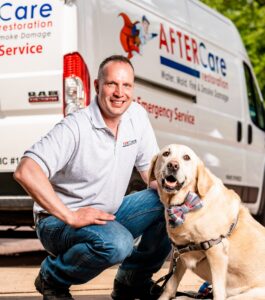
Local. Trusted. Veteran Owned. Proven Water & Fire Damage Restoration. This tagline captures the heart of AfterCare Restoration:
- Local — We’re your neighbors, not a national chain.
- Trusted — Our reputation is built on honesty and results.
- Veteran Owned — Integrity and discipline guide every project.
- Proven — Our certified processes deliver reliable outcomes.
When disaster strikes, you deserve a restoration company that stands for more than profits. You deserve a team committed to service, community, and excellence.
Discover Our History: Meet Our Founder
🎖 IICRC Certified Firm
Restoration is a science — and we follow it. As an IICRC Certified Firm, our technicians are trained in industry‑leading standards for water, fire, smoke, mold, and sewage cleanup. You get proven processes, advanced equipment, and a team that understands how to protect your property and your health.
🏡 Local Matters — Especially in Restoration
Being local isn’t just a geographic detail. It’s a strategic advantage. AfterCare Restoration serves Lehigh, Bucks, Montgomery, and Chester counties with deep knowledge of Pennsylvania homes, building materials, weather patterns, and regional insurance processes.
Local ownership means:
- Faster response times
- No corporate red tape
- Personalized service
- Technicians who live in the same communities they serve
- A genuine commitment to helping neighbors, not meeting corporate quotas
When water or fire damage occurs, minutes matter. Our local team can mobilize quickly, assess the damage accurately, and begin mitigation before problems worsen.
Learn Why Local Matters: Benefits Of A Local Restoration Company
💬 Customer Testimonials
Real clients. Real results.
- “Called these guys after my basement flooded and they were out right away and got right to work. They were professional and super easy to work with. I had had concerns about trying to save certain things in my basement and they worked with me to do that. Their communication was excellent and followed up on phone calls when adjustments were necessary. I highly consider Aftercare versus a national brand.” -Sean K, Quakertown PA
- “AfterCare was quick to respond when our basement flooded after days of heavy storms and a broken sump pump. We called first thing in the morning and JT was there by 11:30. He was amazing! He was courteous and efficiently worked for 8 hours straight on his own removing water and soaked carpet pieces. He answered all of our questions and kept meticulous notes for a report we got documenting all of the equipment used, damages, etc. Dealing with a flooded basement is stressful enough and this company was so helpful and reduced a lot of our stress!” -J Welch, Doylestown PA
- “I called Aftercare after a fire made my house uninhabitable. I don’t think I could have made a better choice. All of the guys I worked with were super helpful and went above and beyond what I needed. They worked with me every step of the way. From dealing with the insurance company to making sure the construction was completed as good as new. They were very easy to stay in touch with and I had no issue communicating any of my concerns with them.
I seriously can’t thank everyone at Aftercare enough for making it as easy as possible to deal with the situation.” -L Noecker, Quakertown PA