
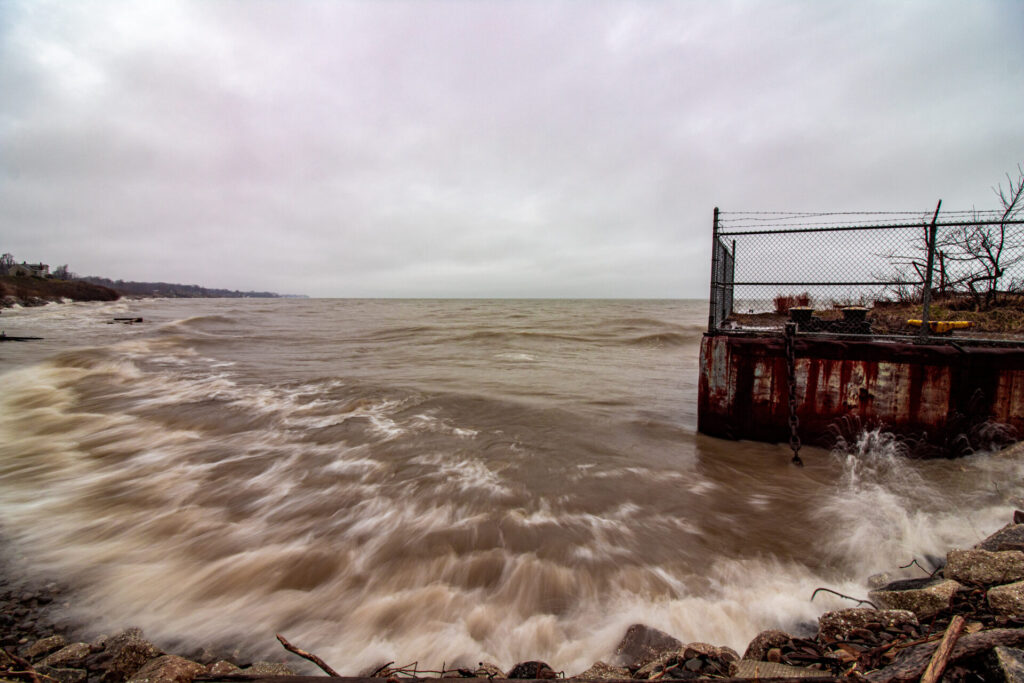
How to Prepare Your Home for the Spring Storm Season in Southeastern Pennsylvania
Spring in Pennsylvania brings warmer temperatures, blooming landscapes, and—unfortunately—a higher risk of severe storms. Homeowners in West Chester, Quakertown, King Of Prussia and Doylestown know that spring weather can shift quickly from calm to damaging, bringing heavy rain, strong winds, and occasional flooding. Preparing your home now can help reduce the risk of water intrusion, structural damage, and costly repairs.
1. Inspect Your Roof and Gutters Before the First Big Storm
Roofs in the Mid‑Atlantic region take a beating during winter, and spring storms often expose any weaknesses. Look for missing shingles, cracked flashing, or areas where the roof appears uneven. These small issues can allow water to enter during heavy rainfall. Clean your gutters and downspouts as well—leaves and debris from fall and winter can clog drainage systems, causing water to overflow and pool around your foundation. If you think your roof is in need of replacement or repairs, be proactive in order to protect your property’s value!
2. Check Windows, Doors, and Exterior Seals
Wind‑driven rain is common in Pennsylvania’s spring storms. Inspect the seals around windows and doors for cracks, gaps, or worn weatherstripping. Resealing these areas is a simple way to prevent moisture from entering your home. If your home has a basement—a common feature in Chester and Bucks Counties—pay special attention to window wells and ensure they are clear and properly covered. Also, if you have a basement, please check your sump pump to ensure it is working properly.
3. Prepare Your Yard for High Winds
Loose outdoor items can become hazards during strong spring winds. Secure or store patio furniture, grills, planters, and children’s toys. Trim trees and remove dead branches, especially those near your roof or power lines. Homes in wooded areas of Doylestown and Quakertown are particularly vulnerable to falling limbs, so early trimming can help prevent storm‑related damage.

4. Reduce Your Risk of Flooding
Heavy spring rains can overwhelm drainage systems, especially in low‑lying neighborhoods or areas with older infrastructure. Consider these steps:
- Make sure your sump pump is working properly
- Install a battery backup if you don’t already have one
- Elevate valuables in basements or lower‑level rooms
- Use water‑diversion barriers or sandbags if your property is prone to pooling water
Basements are common in Pennsylvania homes, which means proactive flood prevention is especially important.
5. Build an Emergency Kit and Family Plan
Power outages and road closures can happen quickly during severe weather. Keep an emergency kit stocked with flashlights, batteries, bottled water, non‑perishable food, medications, and important documents. Make sure everyone in your household knows your communication plan and where to meet if you become separated during an emergency.
6. Review Your Insurance Coverage Before Storm Season Peaks
Take time to review your homeowner’s insurance policy to understand what types of storm damage are covered. Flooding is often excluded from standard policies, so additional coverage may be necessary depending on your location. Documenting your belongings with photos or videos can make the claims process smoother if damage occurs. Do you have a sump pump/sewage back up rider on your policy? If not you may NOT be covered if you experience basement flooding from water damage.
7. Know Who to Call After a Storm
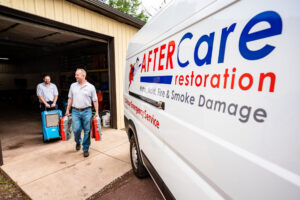
Even with preparation, severe weather can still cause unexpected damage. Having a trusted restoration company like AfterCare Restoration saved ahead of time ensures you can act quickly if water intrusion, structural issues, or mold concerns arise. Fast response can significantly reduce long‑term damage and hiring the RIGHT water damage restoration company the FIRST time is critical to your success.
Call 24/7 AfterCare Restoration 215.515.1000 For Emergency Water Damage Cleanup:
AfterCare Restoration is available for water damage restoration and fire restoration in and around:
- Allentown, PA
- Ambler, PA
- Audubon, PA
- Blue Bell, PA
- Collegeville, PA
- Chalfton, PA
- Coopersburg, PA
- Doylestown, PA
- East Greenville, PA
- Fort Washington, PA
- Harleysville, PA
- Hatfield, PA
- King Of Prussia, PA
- Lansdale, PA
- Leola, PA
- Macungie, PA
- New Holland, PA
- New Hope, PA
- Newtown, PA
- North Wales, PA
- Pennsburg, PA
- Perkasie, PA
- Red Hill, PA
- Reading, PA
- Plymouth Meeting, PA
- Quakertown, PA
- Schwenksville, PA
- Shillington, PA
- Skippack, PA
- Souderton, PA
- Telford, PA
- Warminster, PA
- Wayne, PA
- Willow Grove, PA
- West Chester, PA