 Bucks County Mold Remediation Guide: What Homeowners Need to Know About Mold Removal, Health Risks, Costs & Prevention (2026 Edition)
The Complete Homeowner’s Guide to Professional Mold Remediation in Doylestown, Yardley, Warminster, Quakertown, New Hope, Perkasie, Chalfont, Warrington, Newtown and Surrounding Bucks County Communities
Discovering mold in your home can be unsettling. Maybe you’ve noticed dark spots spreading across a basement wall, a persistent musty smell coming from a finished basement, or discoloration appearing around a bathroom ceiling. Perhaps your home recently experienced a burst pipe, sump pump failure, or basement flooding, and you’re concerned that moisture may have created conditions for mold growth.
Whatever the situation, understanding how mold develops, how to recognize warning signs, and when professional mold remediation is necessary can help you protect your property and make informed decisions.
For homeowners throughout Bucks County, Pennsylvania, mold problems can develop in both older and newer homes. Historic properties with aging foundations, suburban homes with finished basements, and modern residences with plumbing or ventilation problems can all experience moisture conditions that support mold growth.
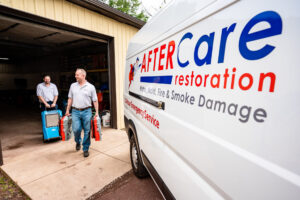 At AfterCare Restoration, we understand how stressful it can be to discover mold or unexpected water damage inside your home.
As a local, family- and veteran-owned, IICRC Certified Firm, we provide professional mold remediation, water damage restoration, moisture detection, structural drying, and reconstruction services throughout Bucks County, PA.
With more than 30 years of contracting experience and over 15 years of restoration experience, our team understands that successful mold remediation requires more than cleaning visible discoloration.
The underlying moisture problem must also be identified and corrected to reduce the likelihood of mold returning.
This comprehensive 2026 guide explains:
- What mold is and why it develops inside homes
- Common causes of mold growth in Bucks County
- How to recognize visible and hidden mold
- Potential health concerns associated with indoor mold exposure
- The difference between mold removal and professional mold remediation
- How professional mold remediation works
- When mold testing is appropriate
- How much mold remediation may cost
- Whether homeowners insurance covers mold damage
- How mold affects basements, attics, bathrooms, and crawl spaces
- What homeowners should know about black mold
- How to prevent mold after water damage
- Mold concerns in eight Bucks County communities
- When to contact a professional restoration company
Whether you’re dealing with a small patch of mold around a bathroom window or extensive mold growth following basement flooding, this guide will help you understand the next steps.
Professional Mold Remediation in Bucks County, PA
AfterCare Restoration provides mold remediation and water damage restoration services throughout Bucks County.
Call AfterCare Restoration at 215-515-1000 to discuss your mold concerns or request an assessment.
Veteran Owned | IICRC Certified | Licensed & Insured
Additional Bucks County Restoration Resources
Bucks County Water and Fire Damage Restoration
Professional Mold Removal and Remediation Services
Water and Flood Damage Restoration Services
Bucks County Basement Flooding Guide (2026 Edition)
★★★★★ 130+ Five-Star Reviews by Homeowners
📞 Call AfterCare Restoration 24/7: 215-515-1000
Veteran Owned • IICRC Certified • 1‑Hour Response • FREE Estimates
1. What Is Mold and Why Does It Grow Inside Bucks County Homes?
Mold is a type of fungus that occurs naturally in the environment.
Mold spores are present outdoors and can also enter buildings through open doors, windows, ventilation systems, clothing, shoes, and other everyday activities.
The presence of mold spores alone does not necessarily indicate a problem.
The concern arises when spores encounter moisture and begin growing on suitable surfaces inside a building.
What Does Mold Need to Grow?
Mold generally requires three basic conditions:
Moisture: Water from plumbing leaks, flooding, condensation, elevated humidity, or other sources.
A suitable material: Many building materials contain organic substances that can support mold growth.
Favorable environmental conditions: Temperature, humidity, and other conditions that allow fungal growth.
Common household materials that may support mold include:
- Drywall paper
- Wood framing
- Carpet backing
- Cardboard
- Certain insulation materials
- Ceiling tiles
- Upholstered furniture
- Wallpaper
- Dust and debris on building surfaces
Mold can also grow on dirt or organic residue that accumulates on otherwise nonporous surfaces.
Why Moisture Control Matters
The most important factor homeowners can control is moisture.
Without adequate moisture, mold generally cannot continue actively growing.
This is why professional mold remediation should address both the existing mold contamination and the conditions that allowed it to develop.
Simply painting over mold, spraying a surface with a household cleaner, or installing an air freshener does not correct the underlying moisture problem.
If the water source remains, mold may return.
2. Why Mold Problems Develop in Bucks County, Pennsylvania
Bucks County contains a diverse range of residential properties.
Historic stone homes, older borough residences, suburban developments, townhomes, and newer custom-built properties all have different construction characteristics.
The likelihood of mold growth depends on the condition of the individual building rather than its age or location alone.
However, several conditions can contribute to mold problems in Bucks County homes.
Pennsylvania’s Humid Summer Weather
Warm weather and elevated humidity can increase indoor moisture levels.
Basements and other cooler areas may experience condensation when humid air contacts cold surfaces.
If moisture remains on building materials, mold growth may develop.
Basement dehumidification, appropriate ventilation, and moisture management can help reduce this risk.
Heavy Rainfall and Basement Water Intrusion
Rainwater entering through foundation cracks, basement windows, or drainage openings can wet drywall, carpeting, insulation, and stored belongings.
Even after standing water has been removed, moisture may remain inside building materials.
A basement that appears dry on the surface may still contain elevated moisture beneath flooring or behind walls.
Aging Plumbing Systems
Some established Bucks County neighborhoods contain homes with older plumbing systems.
Over time, supply lines, drain connections, valves, and appliance hoses can deteriorate.
Small plumbing leaks may remain unnoticed for weeks or months.
These slow leaks can create concealed moisture conditions that support mold growth.
Sump Pump Failures
A sump pump failure during heavy rainfall can allow groundwater to enter a basement.
When water reaches finished walls, carpet padding, insulation, or other absorbent materials, prompt extraction and drying become important.
A sump pump replacement alone does not address moisture already absorbed into the building.
Roof Leaks and Attic Moisture
Damaged flashing, deteriorated roofing materials, or improperly installed roof penetrations can allow water into attic spaces.
Moisture may affect roof sheathing, rafters, insulation, and ceilings.
Attic mold can also develop when warm, humid indoor air enters a poorly ventilated or improperly air-sealed attic and condenses on colder surfaces.
Bathroom and Kitchen Ventilation Problems
Bathrooms and kitchens produce moisture through everyday activities.
When exhaust fans are inadequate, improperly vented, or not used consistently, humidity may accumulate.
Over time, condensation can contribute to mold growth around ceilings, windows, cabinets, and other surfaces.
Crawl Space Moisture
Crawl spaces can experience moisture from groundwater, plumbing leaks, soil evaporation, or outside air.
Poor drainage and inadequate moisture management may allow damp conditions to persist.
Depending on the building design, crawl space moisture can also affect nearby flooring and structural materials.
3. The 10 Most Common Signs of Mold in Your Home
Mold problems are not always immediately visible.
Some homeowners discover obvious discoloration, while others notice persistent odors or signs of hidden moisture.
The following warning signs deserve attention.
1. Visible Spots or Discoloration
Mold can appear in different colors, including black, green, gray, brown, or white.
It may look fuzzy, powdery, slimy, or stain-like.
However, appearance alone cannot reliably identify the species of mold.
Not every dark stain is mold, and not every mold problem appears black.
2. Persistent Musty Odors
A musty or earthy odor may indicate microbial activity or persistent moisture.
Common locations include basements, crawl spaces, bathrooms, closets, and areas near plumbing.
An odor alone does not confirm mold, but it can justify further investigation.
3. Previous Water Damage
A home that has experienced flooding, a roof leak, or a burst pipe may have concealed moisture.
If affected materials were not adequately dried, mold may develop.
4. Peeling or Bubbling Paint
Paint that bubbles, peels, or separates from a wall may indicate moisture behind the surface.
Although paint damage has several possible causes, recurring moisture should be investigated.
5. Warped Flooring
Wood flooring, laminate, and certain other materials may swell or deform when exposed to moisture.
Water beneath flooring can also affect subfloor materials.
6. Stained Drywall
Yellow, brown, or dark water stains may indicate previous or ongoing moisture intrusion.
Stains do not necessarily confirm mold, but they can identify areas requiring assessment.
7. Condensation on Windows
Recurring condensation can indicate elevated indoor humidity or cold surface temperatures.
Excess moisture around windows may contribute to mold growth on surrounding materials.
8. Damp Basement Walls
Basement walls that remain damp after rainfall may indicate foundation seepage or condensation.
Recurring dampness should be addressed before it damages adjacent materials.
9. Mold Around HVAC Components
Condensation, blocked drains, dirty coils, or other HVAC moisture problems may contribute to microbial growth.
Suspected contamination inside ductwork or HVAC equipment should be evaluated by qualified professionals.
10. Mold Returning After Cleaning
If visible mold repeatedly returns to the same location, the underlying moisture problem may not have been corrected.
Repeated cleaning without addressing the source can lead to ongoing problems.
If you notice several of these warning signs, a professional moisture and mold assessment may help identify the cause and extent of the problem.
4. Is Mold Dangerous? Understanding Potential Health Concerns
One of the most common questions homeowners ask is whether mold inside their home can affect their health.
The answer depends on several factors, including individual sensitivity, exposure conditions, and the amount and nature of contamination.
Indoor mold exposure can be associated with symptoms such as:
- Nasal congestion
- Sneezing
- Coughing
- Throat irritation
- Eye irritation
- Skin irritation
- Wheezing
- Worsening asthma symptoms
Some people are more sensitive to mold than others.
Individuals with asthma, mold allergies, chronic respiratory conditions, or weakened immune systems may face additional concerns.
The CDC advises that people with certain respiratory conditions or immune suppression should avoid participating in mold cleanup.
Does Everyone React to Mold the Same Way?
No.
Some individuals may experience symptoms when exposed to damp or moldy environments, while others may report no noticeable effects.
A person’s symptoms cannot establish the presence, species, or concentration of mold inside a building.
Similarly, visible mold does not allow a homeowner to predict a specific health outcome.
Should You Leave Your Home if You Discover Mold?
Not every mold problem requires temporary relocation.
The appropriate decision depends on the extent of contamination, whether occupied areas are affected, the remediation work being performed, and the health needs of the occupants.
If someone in the household has asthma, a chronic lung condition, or immune suppression, consult an appropriate healthcare professional about exposure concerns.
For significant contamination, a qualified remediation professional can explain whether isolation of affected areas or temporary changes to occupancy may be appropriate.
What About Children and Older Adults?
Children and older adults may have health circumstances that warrant additional care.
Homeowners should avoid unnecessary exposure to visible mold and should seek medical advice when respiratory symptoms or other health concerns arise.
AfterCare Restoration addresses building contamination and moisture-related property damage. Medical questions should be directed to qualified healthcare professionals.
5. What Is Black Mold? Should Bucks County Homeowners Be Concerned?
The phrase black mold is frequently used to describe dark-colored mold found in bathrooms, basements, attics, and other damp locations.
However, black mold is not a reliable scientific identification.
Many different mold species can appear dark or black.
One species that receives considerable attention is Stachybotrys chartarum, which may grow on chronically damp materials containing cellulose.
Is Every Black Spot Toxic Mold?
No.
A mold’s color does not reliably indicate its species, toxicity, or health risk.
Some dark discoloration may not be mold at all.
It is not possible to determine the health significance of a mold problem simply by looking at its color.
Does Black Mold Require a Different Cleanup Process?
The appropriate remediation approach depends primarily on the extent of contamination, the affected materials, moisture conditions, and other site-specific factors.
Visible mold should be addressed regardless of its color.
Should You Test Black Mold Before Removing It?
Testing is not always necessary when visible mold is present and the moisture source is apparent.
The EPA generally advises that identifying the type of mold is not essential to deciding that visible mold needs cleanup.
Testing may be appropriate when the source or extent of contamination is uncertain, when documentation is required, or when a qualified professional determines that sampling would help answer a specific question.
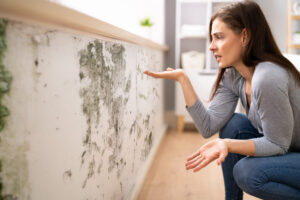 What Should You Do if You Discover Dark Mold?
Avoid disturbing the affected material unnecessarily.
Do not scrape, sand, or demolish mold-contaminated materials without appropriate precautions.
Identify any active water source and arrange for an assessment when the problem is extensive, recurring, hidden, or otherwise concerning.
AfterCare Restoration provides professional mold remediation services throughout Bucks County.
Learn more about our professional mold remediation services.
6. Mold Removal vs. Mold Remediation: What’s the Difference?
Homeowners often use the terms mold removal and mold remediation interchangeably.
However, they describe different aspects of addressing a mold problem.
What Is Mold Removal?
Mold removal generally refers to physically removing mold growth or mold-contaminated materials.
This may involve cleaning suitable surfaces or removing materials that cannot be effectively restored.
What Is Mold Remediation?
Professional mold remediation is a broader process.
It may involve:
- Evaluating affected areas
- Identifying moisture conditions
- Developing an appropriate remediation scope
- Isolating contaminated work areas
- Controlling dust and airborne particles
- Removing affected porous materials
- Cleaning salvageable surfaces
- Using HEPA filtration and vacuuming where appropriate
- Drying affected building materials
- Evaluating completion of the remediation work
- Coordinating necessary repairs
The objective is to address the mold contamination and moisture conditions so the building can return to an appropriate indoor condition.
Can All Mold Spores Be Eliminated?
No.
Mold spores naturally exist in indoor and outdoor environments.
It is not realistic to promise a completely mold-free building or the permanent elimination of all mold spores.
Successful remediation focuses on removing problematic growth, correcting moisture conditions, and preventing continued amplification inside the building.
Why Simply Spraying Mold Is Not Enough
Some cleaning products may have a role in specific situations.
However, applying a chemical product does not necessarily remove mold growth or contaminated porous materials.
The appropriate process depends on the affected material and the extent of contamination.
A thorough remediation plan should not rely on spraying or fogging as a substitute for necessary physical removal and cleaning.
7. How Professional Mold Remediation Works in Bucks County, PA
Professional mold remediation is a systematic process designed to address affected materials and moisture conditions.
Every project is different.
A small area of surface mold in a bathroom may require a different approach than extensive mold growth behind basement drywall following a major flood.
At AfterCare Restoration, the appropriate scope is based on the conditions identified during the assessment.
Step 1: Initial Mold and Moisture Assessment
The process begins with evaluating the affected areas.
A technician may examine:
- Visible mold growth
- Signs of previous water damage
- Plumbing leaks
- Roof or foundation moisture intrusion
- Elevated humidity
- Wet building materials
- Conditions in adjacent rooms
- Potentially concealed areas of contamination
The goal is to understand the source and extent of the problem.
Step 2: Identify and Correct the Moisture Source
Moisture control is essential.
Depending on the cause, the property may require:
- Plumbing repairs
- Roof repairs
- Foundation drainage improvements
- Sump pump repairs
- HVAC condensate repairs
- Improved ventilation
- Dehumidification
- Water extraction
- Structural drying
Some repairs may require a plumber, roofer, waterproofing contractor, or other qualified professional.
Remediation without correcting the moisture source may allow mold to return.
Step 3: Develop a Remediation Plan
The remediation plan considers the extent of contamination, affected materials, occupant needs, and work-area conditions.
For larger or more complicated projects, a qualified independent indoor environmental professional may develop a written remediation protocol.
Step 4: Establish Appropriate Containment
Containment may be used to help limit the movement of dust and mold-contaminated particles from the work area into unaffected spaces.
Depending on the project, this may involve physical barriers, sealed openings, and controlled airflow.
The level of containment should reflect the conditions and scope of the work.
Step 5: Use Appropriate Protective Equipment
Mold remediation can involve exposure to airborne particles and contaminated materials.
Technicians use protective equipment appropriate for the work.
This may include respiratory protection, gloves, eye protection, and protective clothing.
Step 6: Remove Materials That Cannot Be Restored
Some porous materials cannot be effectively cleaned after significant mold contamination.
Depending on the conditions, removal may be necessary for:
- Drywall
- Carpet and padding
- Certain insulation materials
- Ceiling tiles
- Damaged wallpaper
- Other affected porous materials
Removal decisions should be based on material condition, contamination, and the remediation plan.
Step 7: Clean Salvageable Materials
Suitable nonporous and some semi-porous materials may be cleaned using appropriate methods.
The objective is to remove contamination from the surface while limiting the spread of dust and particles.
Step 8: HEPA Vacuuming and Air Filtration
HEPA-filtered equipment may be used during remediation to capture fine particles.
HEPA vacuuming can help remove settled debris from appropriate surfaces.
Air filtration equipment may also be used as part of containment and environmental control.
These tools support the remediation process but do not replace necessary material removal or moisture correction.
Step 9: Dry Affected Areas
Moisture remaining inside building materials must be addressed.
Depending on the conditions, professional drying may involve dehumidification, controlled air movement, and moisture monitoring.
Air movement must be managed carefully when mold contamination is present to avoid spreading particles into unaffected spaces.
Step 10: Evaluate Remediation Completion
Before reconstruction begins, the work area should be evaluated to determine whether the agreed remediation objectives have been achieved.
This may include visual inspection, moisture measurements, and additional verification where appropriate.
For certain projects, independent post-remediation verification may be recommended or required by the project specifications.
Step 11: Reconstruction and Repairs
After appropriate remediation and verification, damaged materials may need replacement.
Repairs can include:
- Drywall installation
- Insulation replacement
- Flooring repairs
- Trim and baseboard replacement
- Painting
- Cabinet repairs
- Other reconstruction work
AfterCare Restoration provides both restoration and reconstruction services, helping homeowners coordinate the process from cleanup through repairs.
8. How Much Does Mold Remediation Cost in Bucks County, PA?
The cost of professional mold remediation depends on the extent of contamination and the work required.
There is no single price that accurately represents every project.
A small, accessible mold problem may require substantially less work than contamination affecting multiple rooms or concealed building materials.
Factors That Affect Mold Remediation Cost
Size of the affected area: Larger areas generally require additional labor, containment, cleaning, and material handling.
Location of the mold: Mold on an accessible surface may be easier to address than contamination behind walls, beneath flooring, or in confined spaces.
Affected materials: Porous materials may require removal and replacement.
Moisture source: Plumbing, roofing, foundation, or drainage repairs may be necessary in addition to remediation.
Containment requirements: Larger or more complex projects may require additional protective measures.
Equipment and labor: HEPA filtration, specialized cleaning, drying, and material removal can affect the project cost.
Reconstruction: Replacing drywall, insulation, flooring, cabinets, and finishes adds to the overall expense.
Why Online Mold Remediation Prices Can Be Misleading
Homeowners often find national cost estimates online.
However, these averages may not reflect the conditions inside a particular Bucks County home.
A small bathroom mold problem and an extensively contaminated finished basement are very different projects.
The most useful estimate is based on an actual assessment and a clearly defined scope of work.
Does AfterCare Restoration Provide Mold Remediation Estimates?
Yes.
AfterCare Restoration offers professional mold assessments and estimates.
Our published mold remediation service information describes a $150 assessment fee that may be credited toward the project if you choose AfterCare.
Because pricing and estimate policies can change, confirm current terms when scheduling.
We believe homeowners should understand the recommended work, the reasons for it, and the associated costs.
Request information about mold remediation in Bucks County, PA.
9. Does Homeowners Insurance Cover Mold Remediation in Pennsylvania?
Homeowners insurance coverage for mold depends on the specific policy, the cause of the moisture problem, and applicable exclusions or limitations.
Some policies provide coverage for mold damage resulting from certain covered water losses.
Other policies limit or exclude mold-related expenses.
Mold Following a Burst Pipe
If a sudden and accidental plumbing failure causes water damage, the resulting restoration work may qualify for coverage under some policies.
However, mold coverage may be subject to separate limits, exclusions, or requirements.
Mold Caused by Long-Term Leaks
Damage caused by ongoing maintenance problems or gradual leaks may be excluded.
Insurance companies may examine whether the homeowner knew about the leak and took reasonable steps to address it.
Mold Following Basement Flooding
Standard homeowners insurance generally excludes certain types of surface flooding.
Separate flood insurance may apply to covered flood losses, subject to policy terms.
Mold coverage following flooding depends on the applicable insurance contract and circumstances.
Mold Caused by Roof Leaks
Coverage depends on why the roof leaked and whether the underlying event is covered.
Damage caused by sudden storm events may be treated differently from damage caused by deferred maintenance.
What Should You Do Before Filing a Mold Claim?
Document the conditions and contact your insurer.
Useful records may include:
- Photographs of visible mold
- Photographs of water damage
- Dates when damage was discovered
- Plumbing or roof repair records
- Moisture assessment findings
- Restoration estimates
- Invoices and receipts
AfterCare Restoration can help document the affected areas and provide information regarding the recommended restoration work.
Insurance coverage is determined by the insurance company under the terms of the policy.
10. Mold After Water Damage: Why Prompt Drying Is Important
Water damage and mold problems are closely connected.
A burst pipe, leaking water heater, failed washing machine hose, or flooded basement can introduce moisture into building materials.
If those materials remain wet, conditions may support mold growth.
Under favorable conditions, mold can begin developing within approximately 24–48 hours.
That does not mean every wet material will develop mold within that timeframe, but it highlights the importance of prompt drying.
Where Water Can Hide
Water may travel into areas homeowners cannot easily inspect.
Common examples include:
- Beneath carpet padding
- Under laminate flooring
- Behind baseboards
- Inside wall cavities
- Within insulation
- Under cabinets
- Beneath bathroom vanities
- Between floors
- Behind finished basement walls
A surface that feels dry does not necessarily mean the materials behind it are dry.
Why Household Fans May Not Be Enough
Household fans may help with minor, uncomplicated moisture problems.
However, significant water damage often requires professional moisture assessment and drying equipment.
When visible mold is already present, indiscriminate fan use can spread contaminated particles.
Professional Water Damage Restoration
AfterCare Restoration provides professional water extraction, structural drying, dehumidification, and water damage repairs throughout Bucks County.
Addressing water damage promptly can reduce the likelihood of secondary moisture-related problems.
Learn more about professional water damage restoration services.
For homeowners who have experienced basement flooding, our Bucks County Basement Flooding Guide explains common causes, emergency response steps, drying procedures, and prevention.
11. Basement Mold: One of the Most Common Indoor Moisture Problems
Basements can provide favorable conditions for mold when moisture is not adequately controlled.
They are often cooler than the rest of the home and may contain foundation walls in contact with surrounding soil.
Finished basements can also conceal moisture behind drywall and beneath flooring.
Common Causes of Basement Mold
- Foundation seepage
- Sump pump failures
- Plumbing leaks
- Elevated indoor humidity
- Poor drainage
- Condensation
- Previous flooding
- Wet carpeting
- Inadequate structural drying
Signs of Basement Mold
Homeowners may notice:
- Musty odors
- Dark spots on walls
- Discoloration around baseboards
- Damp carpeting
- Peeling paint
- Moisture stains
- Repeated condensation
- Visible growth on stored belongings
Mold Behind Finished Basement Walls
Finished basements often contain drywall, insulation, wood framing, and decorative finishes.
When water enters behind these materials, mold may develop without obvious surface growth.
A persistent odor following a previous water loss may justify a professional moisture assessment.
Can You Simply Run a Dehumidifier?
A dehumidifier can help manage elevated humidity.
However, it cannot remove existing mold contamination from affected materials.
If mold growth is already present, cleaning or remediation may be necessary.
Preventing Basement Mold
Homeowners should:
- Maintain sump pumps
- Correct drainage problems
- Repair plumbing leaks
- Control indoor humidity
- Keep gutters and downspouts clear
- Avoid storing moisture-sensitive belongings directly on basement floors
- Investigate recurring dampness
- Arrange for prompt drying after flooding
The EPA generally recommends keeping indoor relative humidity below 60%, ideally between 30% and 50% when practical.
12. Attic Mold: Causes, Warning Signs, and Remediation
Attic mold can develop when moisture accumulates on roof sheathing, framing, or other building materials.
Unlike basement mold, attic mold is often associated with roof leaks, air leakage, condensation, or ventilation problems.
Common Causes of Attic Mold
Roof leaks: Damaged shingles, flashing, or roof penetrations can allow water into the attic.
Bathroom exhaust problems: Bathroom fans that discharge moist air into an attic rather than outdoors can contribute to condensation.
Air leakage: Warm, humid indoor air may enter the attic through ceiling openings and condense on cold surfaces.
Ventilation problems: Improper attic ventilation may contribute to persistent moisture conditions.
Insulation deficiencies: Poorly installed or inadequate insulation can contribute to temperature differences and condensation.
Signs of Attic Mold
Potential warning signs include:
- Dark discoloration on roof sheathing
- Musty odors
- Damp insulation
- Water stains
- Condensation on roofing components
- Visible moisture damage around roof penetrations
Why Attic Mold Should Be Evaluated Carefully
Attics may contain electrical wiring, difficult access points, and structural hazards.
Homeowners should avoid disturbing suspected mold or entering unsafe attic areas.
A professional assessment can help distinguish moisture damage from other forms of discoloration and identify the underlying cause.
Correcting the Source
Successful remediation may require roofing repairs, improved air sealing, proper exhaust venting, or other building improvements.
Cleaning visible mold without correcting attic moisture conditions may not provide a lasting solution.
13. Bathroom Mold: When Is Cleaning Enough?
Bathrooms frequently experience moisture from showers, baths, sinks, and condensation.
Small amounts of surface mold can develop on grout, caulking, window frames, and other damp areas.
Not every bathroom mold problem requires extensive professional remediation.
When Homeowners May Be Able to Clean Mold
According to EPA guidance, small areas of mold—generally less than about 10 square feet—may often be manageable by homeowners when the conditions are straightforward.
However, that guidance does not apply equally to every situation.
Professional assistance is advisable when mold involves extensive water damage, contaminated water, concealed materials, significant exposure concerns, or vulnerable occupants.
Cleaning Bathroom Mold Safely
For small, appropriate cleanup projects:
- Wear suitable protective equipment
- Follow EPA and CDC cleaning guidance
- Use appropriate products for the surface
- Avoid spreading contaminated debris
- Dry the area thoroughly
- Correct ventilation or plumbing problems
Never mix bleach with ammonia or other cleaning chemicals.
When Bathroom Mold May Indicate a Larger Problem
Professional evaluation may be appropriate if:
- Mold repeatedly returns
- Drywall becomes soft or deteriorated
- A shower or tub has been leaking
- Water stains appear in adjoining rooms
- Mold extends behind cabinets or wall finishes
- Persistent odors remain after cleaning
The goal is to determine whether the problem is limited to the surface or involves concealed moisture damage.
14. Crawl Space Mold and Moisture Problems
Crawl spaces are another area where moisture can accumulate unnoticed.
Depending on the home’s construction, crawl spaces may contain exposed soil, plumbing, floor framing, insulation, and mechanical equipment.
Common Crawl Space Moisture Sources
- Ground moisture
- Poor exterior drainage
- Plumbing leaks
- Condensation
- Inadequate moisture barriers
- Improper ventilation or air sealing
- Previous flooding
Why Crawl Space Mold Matters
Persistent moisture may affect wood framing, insulation, and other materials.
It can also contribute to musty odors in nearby living spaces.
Warning Signs
Potential indicators include:
- Musty odors near the first floor
- Damp insulation
- Visible discoloration on framing
- Standing water
- Condensation
- Persistent high humidity
- Wood deterioration
Crawl Space Remediation
Depending on the conditions, remediation may involve cleaning affected materials, removing damaged insulation, drying the area, and correcting the moisture source.
Long-term moisture control may require drainage improvements, vapor barriers, encapsulation, or other building-specific measures.
A qualified professional should determine which improvements are appropriate for the structure.
15. Mold in HVAC Systems: What Homeowners Should Know
Heating, ventilation, and air conditioning systems can accumulate moisture through normal cooling operations.
Condensation is typically collected and drained away.
However, blocked condensate lines, standing water, damaged insulation, or other problems can create moisture conditions that support microbial growth.
Potential Warning Signs
- Persistent odors when the system operates
- Visible growth near accessible components
- Standing water around HVAC equipment
- Blocked condensate drains
- Repeated moisture problems
- Wet or damaged duct insulation
Should You Run the HVAC System if Mold Is Suspected?
If significant mold contamination is suspected within the HVAC system, obtain professional guidance before continuing normal operation.
Improper handling can potentially distribute contaminated particles.
Does Ordinary Duct Cleaning Remove Mold?
Not necessarily.
The appropriate solution depends on the affected components and materials.
Some components may be cleaned, while certain contaminated porous materials may require replacement.
An HVAC professional and qualified remediation contractor may need to coordinate the work.
Preventing HVAC Moisture Problems
Regular maintenance, proper condensate drainage, filter replacement, and prompt repair of water leaks can help reduce moisture-related problems.
★★★★★ 130+ Five-Star Reviews by Homeowners
📞 Call AfterCare Restoration 24/7: 215-515-1000
Veteran Owned • IICRC Certified • 1‑Hour Response • FREE Estimates
16. Mold Remediation in 8 Key Bucks County Communities
AfterCare Restoration serves homeowners and businesses throughout Bucks County.
Although mold growth can occur anywhere moisture is present, the types of buildings and moisture problems vary from property to property.
The following eight communities are important parts of our Bucks County service area.
 Mold Remediation in Doylestown, PA
Doylestown contains historic homes, established residential neighborhoods, stone buildings, and newer developments.
Older properties may have foundation systems, plumbing, or ventilation conditions requiring additional maintenance.
Basement moisture can develop from foundation seepage, plumbing leaks, drainage problems, or previous flooding.
Finished basements may conceal moisture behind drywall and beneath flooring.
Homeowners should watch for musty odors, recurring dampness, water stains, and visible growth.
Attics and bathrooms can also develop mold when roof leaks or ventilation problems remain unresolved.
AfterCare Restoration provides professional mold remediation, water damage cleanup, structural drying, and reconstruction throughout Doylestown.
Our Doylestown office helps support restoration services in the surrounding communities.
Learn more: Water Damage and Restoration Services in Doylestown, PA
Mold Remediation in Yardley, PA
Yardley and surrounding Lower Makefield communities contain a mix of established homes, historic properties, and residential developments.
Homes near drainage corridors or low-lying areas may require particular attention to basement moisture, although flood risk depends on the individual property.
Potential sources of mold include:
- Basement water intrusion
- Sump pump failures
- Plumbing leaks
- Elevated humidity
- Roof leaks
- Inadequate drying after flooding
After a water loss, moisture can remain behind finished basement walls and beneath flooring.
Professional moisture detection can help identify areas requiring additional evaluation.
AfterCare Restoration provides mold remediation, water extraction, structural drying, and restoration services throughout Yardley.
Learn more: Water Damage Restoration in Yardley, PA
Mold Remediation in Warminster, PA
Warminster contains established neighborhoods, single-family homes, townhomes, and commercial properties.
Mold problems may develop following plumbing leaks, basement flooding, roof damage, or persistent humidity.
Homeowners should inspect:
- Basement foundation walls
- Plumbing near utility rooms
- Finished basement flooring
- Bathroom ceilings
- Attic sheathing
- Areas surrounding water heaters
Small leaks can remain hidden behind cabinets or walls.
If moisture persists, affected materials may develop mold.
AfterCare Restoration provides professional mold remediation and water damage restoration throughout Warminster.
Learn more: Water Damage Restoration in Warminster, PA
Mold Remediation in Quakertown, PA
Quakertown and surrounding Upper Bucks County communities contain established residences, older homes, and newer developments.
Basement moisture, plumbing failures, roof leaks, and crawl space humidity can create conditions for mold growth.
Homes with finished basements may be particularly vulnerable to concealed moisture following flooding.
Potential concerns include:
- Damp foundation walls
- Sump pump failures
- Burst pipes
- Wet insulation
- Crawl space moisture
- Attic condensation
- Poor bathroom ventilation
AfterCare Restoration operates a Quakertown location and provides mold remediation, water extraction, drying, and reconstruction services throughout the surrounding area.
Learn more: Water Damage Restoration in Quakertown, PA
Mold Remediation in New Hope, PA
New Hope contains historic properties, established homes, and residences near the Delaware River and surrounding waterways.
Some properties may require additional attention to foundation moisture, roof maintenance, and drainage.
However, flood exposure and moisture risk should always be evaluated at the individual property level.
Common mold-related concerns include:
- Foundation seepage
- Basement humidity
- Previous water intrusion
- Roof leaks
- Plumbing failures
- Damp crawl spaces
- Concealed moisture behind finishes
Historic construction materials may require special care during restoration.
AfterCare Restoration provides professional mold remediation, structural drying, water damage cleanup, and reconstruction throughout New Hope.
Learn more: Water Damage Restoration in New Hope, PA
Mold Remediation in Newtown, PA
Newtown Borough and Newtown Township contain a combination of historic homes, established residential neighborhoods, townhomes, and newer residential developments.
Homeowners in Newtown may experience mold problems caused by basement moisture, plumbing leaks, sump pump failures, roof leaks, and inadequate ventilation.
Finished basements can be particularly vulnerable following water damage because moisture may become trapped behind drywall, beneath flooring, and inside insulation.
Common mold concerns include:
- Basement mold following flooding or sump pump failures
- Mold growth behind drywall after plumbing leaks
- Attic mold caused by roof leaks or condensation
- Bathroom mold from inadequate ventilation
- Crawl space moisture and mold growth
- Hidden mold following burst pipe water damage
At AfterCare Restoration, we provide professional mold remediation, moisture detection, water extraction, structural drying, and reconstruction services throughout Newtown, PA.
Our team helps homeowners identify moisture-related damage, address affected materials, and restore their properties following water damage and mold problems.
Learn more: Water Damage Restoration in Newtown, PA
Mold Remediation in Perkasie, PA
Perkasie contains a mix of established residential properties, borough homes, and newer developments.
Moisture problems may occur in basements, bathrooms, attics, crawl spaces, and areas surrounding plumbing.
Homeowners should investigate recurring musty odors, visible mold, damp walls, and unexplained water stains.
Following a burst pipe or basement flood, moisture may remain in insulation, drywall, or subflooring.
AfterCare Restoration provides professional mold remediation, water damage restoration, and structural drying throughout Perkasie and surrounding Upper Bucks County communities.
Learn more: Water Damage Restoration in Perkasie, PA
Mold Remediation in Chalfont, PA
Chalfont and surrounding communities contain established neighborhoods, townhomes, and newer residential construction.
Mold can develop when water intrusion or indoor humidity is not adequately controlled.
Potential sources include:
- Basement seepage
- Sump pump problems
- Leaking appliances
- Plumbing failures
- Bathroom condensation
- Roof leaks
- Inadequate ventilation
Finished basements may require additional moisture investigation following flooding.
AfterCare Restoration provides mold remediation, professional drying, water damage cleanup, and repairs throughout Chalfont.
Learn more: Water Damage Restoration in Chalfont, PA
Mold Remediation in Warrington, PA
Warrington contains established residential neighborhoods, suburban developments, and commercial properties.
Water damage from plumbing failures, appliance leaks, sump pump problems, and heavy rainfall can create conditions that support mold growth.
Common areas requiring attention include:
- Finished basements
- Laundry rooms
- Utility spaces
- Bathrooms
- Attics
- Crawl spaces
- Areas behind cabinets and drywall
Homeowners should not assume that a previous water loss was fully resolved simply because the visible water disappeared.
Professional moisture assessment may be useful when damage was extensive or drying was incomplete.
AfterCare Restoration provides mold remediation, structural drying, water extraction, and reconstruction services throughout Warrington.
Learn more: Water Damage Restoration in Warrington, PA
17. Can You Remove Mold Yourself, or Should You Hire a Professional?
Not every mold problem requires a professional remediation company.
The appropriate approach depends on the size of the affected area, the source of moisture, the materials involved, and the safety of the work.
When DIY Cleanup May Be Appropriate
For a small area of surface mold on an accessible, suitable material, homeowners may be able to perform cleanup using EPA guidance.
The EPA identifies approximately 10 square feet as a general threshold below which many straightforward household mold problems may be manageable without professional remediation.
However, this is not an absolute rule.
A small amount of visible mold may be associated with a larger concealed problem.
When Professional Mold Remediation Is Recommended
Consider professional assistance when:
- Mold covers a substantial area
- Contamination may extend behind walls
- The property has experienced significant flooding
- Sewage or other contaminated water was involved
- Mold repeatedly returns
- Structural materials are deteriorating
- HVAC contamination is suspected
- The moisture source is uncertain
- Occupants have significant health vulnerabilities
- Extensive demolition or material removal is necessary
Why Improper DIY Cleanup Can Make Things Worse
Aggressive brushing, sanding, scraping, or demolition can release mold-contaminated particles.
Using ordinary household vacuums or fans inappropriately may also spread contamination.
Applying paint or sealant over mold does not eliminate the underlying problem.
Homeowners should avoid disturbing extensive mold contamination without an appropriate remediation plan.
18. Should You Test for Mold Before Remediation?
Mold testing can be useful in certain circumstances, but it is not always necessary.
If mold is visibly growing on a surface and a moisture problem is evident, testing may not change the need for cleanup.
When Mold Testing May Be Helpful
Testing may be considered when:
- The source of contamination is unclear
- Hidden mold is suspected
- A qualified professional needs information to develop a remediation plan
- An insurance or legal process requires documentation
- Independent post-remediation verification is specified
- A building investigation requires additional evidence
What Are the Limitations of Air Testing?
Air sampling results can vary based on outdoor conditions, building activity, ventilation, sampling methods, and other factors.
A single air sample does not necessarily provide a complete picture of a building’s mold conditions.
There is no universal federal indoor mold concentration limit that establishes whether a home is safe or unsafe.
Testing results should be interpreted by a qualified professional in the context of the building investigation.
Can a Home Mold Test Kit Replace a Professional Assessment?
Consumer mold test kits have significant limitations.
Because mold spores are common in the environment, a positive result may not establish that a building has a meaningful contamination problem.
A thorough moisture investigation and visual assessment are often more useful than an isolated test result.
19. How Long Does Professional Mold Remediation Take?
The duration of mold remediation depends on the extent of contamination, accessibility, material removal, drying requirements, and reconstruction needs.
A small, accessible project may require relatively limited work.
A larger project involving concealed mold, multiple rooms, or extensive water damage can take considerably longer.
Factors Affecting the Timeline
Extent of contamination: Larger affected areas generally require more work.
Accessibility: Mold behind walls or beneath flooring may require additional investigation and removal.
Moisture conditions: Persistent moisture must be corrected before reconstruction.
Material removal: Porous materials may need to be removed and replaced.
Containment: Complex projects may require additional setup and environmental controls.
Verification: Independent testing or inspection may add time.
Reconstruction: Repairs may extend beyond the remediation phase.
Can You Stay in Your Home During Remediation?
Sometimes.
Whether occupants can remain in the building depends on the extent and location of contamination, containment, work methods, and individual health considerations.
A professional should explain the anticipated work-area restrictions before remediation begins.
20. How to Prevent Mold in Your Bucks County Home
Preventing recurring moisture problems is one of the most effective ways to reduce the likelihood of indoor mold growth.
Control Indoor Humidity
Use a hygrometer to monitor relative humidity.
Maintain indoor humidity below 60%, ideally around 30–50% when practical.
Basements may require dehumidification during humid weather.
Repair Plumbing Leaks Promptly
Inspect water heaters, appliance hoses, supply lines, and visible plumbing connections.
Do not ignore slow leaks.
Maintain Sump Pumps
Test sump pumps and consider backup systems where appropriate.
Keep discharge lines clear and arrange for repairs when performance problems appear.
Clean Gutters and Downspouts
Direct roof runoff away from the foundation.
Clogged gutters and poorly positioned downspouts can contribute to basement moisture problems.
Maintain Proper Drainage
Address areas where water repeatedly collects near the foundation.
Consult a drainage or waterproofing professional when necessary.
Use Bathroom Exhaust Fans
Operate bathroom exhaust fans during showers and allow sufficient time for moisture removal afterward.
Ensure exhaust systems discharge outdoors.
Maintain HVAC Systems
Keep condensate drains clear and arrange for appropriate equipment maintenance.
Address Roof Leaks
Inspect roofing and flashing when leaks or stains appear.
Repair water intrusion before it damages insulation and interior finishes.
Dry Water Damage Promptly
After a plumbing leak or flood, remove water and begin appropriate drying as soon as it is safe.
Significant water damage may require professional equipment.
Inspect Vulnerable Areas Regularly
Pay attention to basements, crawl spaces, attics, bathrooms, utility rooms, and areas near plumbing.
Recurring odors, dampness, or stains deserve investigation.
21. Mold Remediation for Commercial Properties in Bucks County
Mold problems can affect commercial buildings as well as homes.
Offices, retail spaces, restaurants, warehouses, rental properties, and other facilities may experience water damage and moisture-related contamination.
Commercial mold remediation may require additional planning because of building occupancy, operating schedules, equipment, and business continuity concerns.
Common Commercial Moisture Problems
- Roof leaks
- Plumbing failures
- HVAC condensate problems
- Water intrusion around exterior walls
- Flooding
- Appliance leaks
- Poor ventilation
- Hidden moisture behind interior finishes
Why Early Assessment Matters
Water damage in a commercial building may affect equipment, inventory, building materials, and occupied areas.
Prompt investigation can help identify the extent of the problem and determine appropriate restoration steps.
Coordinating Remediation and Business Operations
Depending on the project, work may require containment, temporary access restrictions, or scheduling around business operations.
A professional remediation plan should consider the building’s use and occupants.
AfterCare Restoration provides commercial water damage restoration, mold remediation, and reconstruction services throughout Bucks County.
22. What to Look for When Hiring a Mold Remediation Company
Choosing a qualified remediation contractor is important.
Homeowners should understand the proposed work before authorizing a project.
Ask About Training and Experience
Look for professionals with relevant mold remediation training and experience.
Industry organizations such as the IICRC publish restoration standards and offer professional certifications.
Ask How the Moisture Source Will Be Addressed
A remediation plan should explain how existing moisture conditions will be corrected or coordinated with the appropriate trade.
Request a Clear Scope of Work
The estimate should explain the affected areas, proposed removal or cleaning methods, containment needs, and anticipated repairs.
Ask About Containment and Dust Control
Appropriate controls help reduce the spread of contaminated particles during work.
Ask About Insurance and Contractor Credentials
Verify relevant business credentials and insurance coverage.
Understand the Verification Process
Ask how the contractor will determine whether the remediation objectives have been met.
Be Cautious of Absolute Guarantees
Claims that a company can permanently eliminate every mold spore from a building are not realistic.
The objective is to remove problematic contamination and correct moisture conditions.
Choose a Company That Communicates Clearly
Homeowners should understand what is happening, why work is recommended, and what comes next.
At AfterCare Restoration, honesty, professionalism, communication, compassion, hard work, and responsibility guide our approach to restoration.
23. Frequently Asked Questions About Mold Remediation in Bucks County, PA
1. How much does mold remediation cost in Bucks County, PA?
The cost depends on the size of the affected area, the extent of contamination, accessibility, required containment, material removal, moisture correction, and reconstruction.
Small projects may cost substantially less than extensive mold contamination affecting multiple rooms.
AfterCare Restoration can assess the conditions and provide a project-specific estimate.
2. How do I know if I have mold in my house?
Common warning signs include visible discoloration, persistent musty odors, previous water damage, damp building materials, and recurring moisture problems.
However, not every stain or odor confirms mold.
A professional assessment may be useful when the cause or extent of the problem is uncertain.
3. Is black mold dangerous?
Dark-colored mold should not automatically be assumed to be a particular species or more dangerous than other mold.
Mold color alone cannot establish health risk.
Visible mold should be addressed, and individuals with health concerns should consult qualified medical professionals.
4. Can mold grow behind drywall?
Yes.
Moisture from plumbing leaks, flooding, roof leaks, or condensation can affect concealed building materials.
Mold may develop on drywall paper or other susceptible surfaces when moisture remains.
5. Does homeowners insurance cover mold removal in Pennsylvania?
Coverage depends on the policy and cause of the damage.
Some policies may cover mold-related work resulting from certain covered water losses, while others contain exclusions or limits.
Contact your insurance company for a determination.
6. How long does mold remediation take?
The timeframe depends on the extent of contamination, affected materials, moisture conditions, and required repairs.
Small projects may take relatively little time, while extensive remediation and reconstruction can require substantially longer.
7. Can mold return after professional remediation?
Yes, if the moisture conditions that supported the original growth remain or new water damage occurs.
Correcting moisture sources and maintaining appropriate humidity are important for reducing recurrence.
8. Should I test for mold before hiring a remediation company?
Not always.
Visible mold generally needs cleanup regardless of species.
Testing may be appropriate when the source or extent of contamination is uncertain or when documentation is needed.
9. Can I stay in my house during mold remediation?
That depends on the extent and location of contamination, the work being performed, containment, and occupant health considerations.
The remediation professional should explain any necessary restrictions.
10. What is the difference between mold removal and mold remediation?
Mold removal refers to removing mold growth or affected materials.
Mold remediation is a broader process that may include assessment, containment, removal, cleaning, moisture control, verification, and coordination of repairs.
11. Can a dehumidifier get rid of mold?
A dehumidifier helps control humidity but does not remove existing mold growth from contaminated materials.
Existing mold may require appropriate cleaning or professional remediation.
12. How quickly can mold grow after water damage?
Under favorable conditions, mold may begin developing within approximately 24–48 hours.
Prompt water removal and drying can help reduce the risk.
13. Is mold in a basement common?
Basements can experience moisture problems because of groundwater, condensation, plumbing leaks, flooding, and elevated humidity.
Persistent dampness can create conditions that support mold growth.
14. Does bleach permanently remove mold?
Bleach is not a universal solution for mold contamination.
The appropriate cleaning method depends on the material and conditions.
Porous materials may require removal, and the underlying moisture source must be corrected.
Never mix bleach with ammonia or other cleaning products.
15. Who provides professional mold remediation in Bucks County, PA?
AfterCare Restoration provides mold remediation and water damage restoration throughout Bucks County, including Doylestown, Yardley, Warminster, Quakertown, New Hope, Perkasie, Chalfont, Warrington, and surrounding communities.
Our team provides professional assessments, remediation services, structural drying, and reconstruction.
Call 215-515-1000 to discuss your mold concerns.
24. Why Bucks County Homeowners Choose AfterCare Restoration
Discovering mold or water damage inside your home can create uncertainty.
Homeowners want to understand whether the problem is serious, what work is necessary, how much it may cost, and whether their property can be restored.
At AfterCare Restoration, we believe the restoration process should begin with honest communication and a professional assessment.
Local, Family- and Veteran-Owned
AfterCare Restoration is a local restoration company serving homeowners and businesses throughout Bucks County and Eastern Pennsylvania.
We’re not a national franchise.
Our local offices in Doylestown and Quakertown help support our Bucks County service area.
IICRC Certified Firm
Our company is an IICRC Certified Firm with restoration professionals trained in industry-recognized practices.
Extensive Restoration Experience
With more than 30 years of contracting experience and over 15 years of restoration experience, we understand both emergency mitigation and building repairs.
Professional Mold Remediation
Our services include assessment of affected areas, moisture evaluation, mold remediation, cleaning, drying, and coordination of necessary repairs.
Water Damage Restoration
Because mold problems often begin with moisture, our water damage restoration experience is an important part of addressing affected properties.
Reconstruction Services
When contaminated or damaged building materials require replacement, our reconstruction capabilities help homeowners coordinate the repair process.
Insurance Documentation
We work with insurance companies and can provide restoration estimates and documentation.
Coverage decisions remain with the insurer.
Our Six Core Values
Every project is guided by:
Honesty. Hard Work. Professionalism. Compassion. Communication. Responsibility.
We understand that homeowners are trusting us with one of their most important investments.
Our goal is to provide clear information, professional workmanship, and respectful service throughout the restoration process.
25. Protect Your Bucks County Home From Mold and Moisture Damage
Mold problems can develop gradually or follow a sudden water damage emergency.
A slow plumbing leak, a damp basement, a failed sump pump, or a roof leak may create conditions that allow mold to grow on building materials.
The most important steps are recognizing moisture problems, addressing the source, and using appropriate cleaning or remediation methods.
For small, straightforward surface problems, homeowners may be able to follow EPA cleanup guidance.
For extensive contamination, concealed moisture, significant water damage, or recurring mold, professional evaluation is often the appropriate next step.
AfterCare Restoration provides professional mold remediation and water damage restoration throughout Bucks County, Pennsylvania.
We proudly serve Doylestown, Yardley, Warminster, Quakertown, New Hope, Perkasie, Chalfont, Warrington, and surrounding communities.
Need Professional Mold Remediation in Bucks County, PA?
Whether you’re concerned about basement mold, attic mold, bathroom mold, crawl space moisture, or mold following water damage, AfterCare Restoration can help you understand your restoration options.
Call AfterCare Restoration at 215-515-1000.
Local | Trusted | Veteran Owned | IICRC Certified
Learn More About Our Bucks County Restoration Services
Bucks County Water and Fire Damage Restoration
Professional Mold Remediation and Mold Removal
Professional Water and Flood Damage Restoration
Bucks County Basement Flooding Guide
Additional Homeowner Resources
For additional information about mold, moisture, and safe cleanup procedures, consult:
- U.S. Environmental Protection Agency — Mold Cleanup in Your Home
- U.S. Environmental Protection Agency — A Brief Guide to Mold, Moisture and Your Home
- Centers for Disease Control and Prevention — Mold Cleanup Guidelines
AfterCare Restoration — Helping Bucks County homeowners address mold, moisture, and water damage with professional restoration services.