 Mold Remediation in Montgomery County PA: The Hidden Mold Problems Homeowners Discover After Water Damage
2026 Homeowner’s Guide to Mold Removal, Mold Inspection, Water Damage Cleanup, and Professional Mold Remediation in Montgomery County, Pennsylvania
Water damage doesn’t always end when the standing water disappears. For many homeowners in Montgomery County, PA, the most serious problems begin days or even weeks after a plumbing leak, flooded basement, or storm-related water intrusion.
Water can seep behind drywall, soak carpet padding, penetrate insulation, and become trapped beneath flooring. When these materials remain damp, they create conditions where mold can develop.
Unfortunately, homeowners often discover mold only after noticing a persistent musty odor, discolored walls, or damaged building materials.
At AfterCare Restoration, we understand how quickly a water damage emergency can become a mold remediation project. As a local, family- and veteran-owned restoration company and an IICRC Certified Firm, we help homeowners identify moisture problems, address mold contamination, and restore damaged properties.
We proudly serve Lansdale, North Wales, Horsham, Ambler, Collegeville, Harleysville, Pottstown, Skippack, Blue Bell, King of Prussia, and communities throughout Montgomery County.
Our approach is built around six values:
Honesty. Hard Work. Professionalism. Compassion. Communication. Responsibility.
If you suspect mold in your home, don’t wait for the problem to spread.
Call AfterCare Restoration for professional mold remediation and water damage restoration in Montgomery County, PA.
★★★★★ 130+ Five-Star Reviews by Homeowners
📞 Call AfterCare Restoration 24/7: 215-515-1000
Veteran Owned • IICRC Certified • 1‑Hour Response • FREE Estimates
Why Mold Is a Growing Concern for Montgomery County Homeowners
Montgomery County has a diverse housing market, from older homes in established communities to newer developments with finished basements and modern HVAC systems.
Regardless of a home’s age, moisture can create mold problems.
Older Homes and Aging Plumbing
Older properties in Ambler, Lansdale, Pottstown, and other established communities may have aging plumbing, roof systems, or foundation materials.
Small leaks can go unnoticed for extended periods, allowing moisture to accumulate behind walls or beneath flooring.
Finished Basements
Finished basements are common throughout Montgomery County, particularly in communities such as Collegeville, Blue Bell, Harleysville, and Skippack.
While finished basements provide valuable living space, drywall, carpeting, insulation, and wood framing can conceal moisture following flooding or foundation seepage.
Summer Humidity
Pennsylvania summers frequently bring warm temperatures and elevated humidity.
Basements, crawl spaces, and poorly ventilated rooms may experience condensation when humid air contacts cooler surfaces.
Persistent indoor humidity can encourage mold growth, even without an obvious plumbing leak.
Heavy Rain and Storm-Related Flooding
Heavy rainfall can overwhelm drainage systems, contribute to sump pump failures, and allow water to enter basements.
Properties in Horsham, North Wales, King of Prussia, and surrounding communities can experience water intrusion when drainage systems fail or severe weather causes localized flooding.
The important lesson: Mold is primarily a moisture problem. Addressing the water source is essential to successful remediation.
How Fast Can Mold Grow After Water Damage?
One of the most important things homeowners should understand is how quickly mold can develop after a water emergency.
Under favorable conditions, mold may begin growing on damp materials within 24–48 hours.
That doesn’t mean every wet surface will develop visible mold in two days. Temperature, moisture levels, materials, and other environmental conditions influence growth.
However, it demonstrates why prompt water extraction and structural drying matter.
Wet Drywall
Drywall absorbs moisture readily.
When water penetrates the gypsum core or paper facing, moisture may remain trapped even after the visible surface appears dry.
Severely affected drywall may require removal.
Carpet and Carpet Padding
Carpet padding can retain substantial moisture beneath an apparently dry carpet.
If water remains trapped, it can contribute to odors, material deterioration, and mold growth.
Wet Insulation
Fiberglass and other insulation materials can become contaminated or lose effectiveness when exposed to water.
Depending on the type of water damage and extent of contamination, affected insulation may need replacement.
Wood Framing
Wood framing can absorb moisture and take longer to dry than surrounding surfaces.
Professional drying and moisture monitoring help determine when affected materials have reached appropriate drying goals.
At AfterCare Restoration, we understand that water damage and mold remediation often go hand in hand.
That’s why our restoration process emphasizes identifying hidden moisture rather than simply removing visible standing water.
Learn more about our professional mold remediation services.
 Common Sources of Mold in Montgomery County Homes
Mold problems frequently begin with ordinary household issues that go unnoticed.
1. Basement Flooding
Basement flooding is one of the most common situations that can lead to significant moisture damage.
Potential causes include sump pump failures, groundwater seepage, plumbing failures, and stormwater intrusion.
Finished basements are particularly vulnerable because moisture can become trapped behind drywall and beneath flooring.
2. Burst or Leaking Pipes
A leaking supply line behind a kitchen cabinet or bathroom wall may release water for days before the problem becomes obvious.
Even a slow leak can damage drywall, insulation, subfloors, and cabinetry.
3. Roof Leaks
Damaged shingles, deteriorated flashing, and roof penetrations can allow water into attics and ceiling cavities.
Homeowners may first notice a ceiling stain long after moisture has affected insulation or framing.
4. HVAC Condensation
Air conditioning systems remove moisture from indoor air.
When condensate drains clog or equipment develops problems, water can accumulate near air handlers or within surrounding materials.
5. Appliance Leaks
Dishwashers, washing machines, refrigerators, and water heaters can release water into concealed spaces.
A slow appliance leak may go unnoticed until flooring begins to buckle or a musty odor develops.
6. Poor Bathroom Ventilation
Bathrooms without adequate ventilation can experience persistent humidity and condensation.
Over time, moisture may affect painted surfaces, drywall, grout, and adjacent building materials.
7. Crawl Space Moisture
Crawl spaces with inadequate drainage or moisture control can develop persistent dampness.
These conditions may affect wood framing and contribute to musty odors inside the home.
Seven Warning Signs of Hidden Mold After Water Damage
Not every mold problem is immediately visible.
Homeowners should watch for these warning signs:
- Persistent musty odors: Especially in basements, bathrooms, closets, and areas previously affected by water.
- Discolored walls or ceilings: Staining may indicate moisture or possible microbial growth.
- Peeling paint or bubbling drywall: These conditions can suggest moisture behind finished surfaces.
- Warped flooring: Buckling hardwood or damaged laminate may indicate water trapped beneath the surface.
- Visible growth: Dark, green, white, or other discolored patches may require further evaluation.
- Recurring condensation: Persistent moisture around windows, ducts, or basement walls can encourage growth.
- Unexplained respiratory irritation: Mold exposure can trigger symptoms in susceptible individuals, although symptoms alone cannot establish that mold is present.
If you notice these conditions, the most important step is identifying the underlying moisture source.
Painting over a stain or applying a household cleaning product does not correct concealed water damage.
Black Mold Removal in Montgomery County: What Homeowners Should Know
Many homeowners search for black mold removal in Montgomery County after discovering dark-colored growth on walls, ceilings, or basement materials.
The term black mold is commonly associated with Stachybotrys chartarum, but many different molds can appear black or dark green.
You cannot reliably identify mold species by appearance alone.
More importantly, the color of mold does not determine the appropriate remediation procedure or establish the level of health risk.
The priority should be evaluating the extent of contamination, identifying moisture conditions, and determining how affected materials should be handled.
Professional mold remediation may involve containment, controlled removal of contaminated materials, HEPA-filtered cleaning, and structural drying.
Homeowners should avoid disturbing extensive mold growth without appropriate precautions because doing so can spread contaminated dust and debris.
Mold Inspection in Montgomery County PA: When Should You Schedule One?
A professional mold or moisture assessment may be appropriate when:
- You notice persistent musty odors.
- Water damage was not professionally dried.
- Visible mold continues returning after cleaning.
- You suspect contamination behind drywall or beneath flooring.
- Your basement experiences recurring moisture problems.
- You’re purchasing a property with evidence of previous water intrusion.
A moisture assessment helps identify damp building materials and conditions that may support mold growth.
Mold sampling isn’t necessary in every situation, particularly when visible contamination and the moisture source are already apparent.
When specialized testing or independent clearance verification is appropriate, a qualified third-party mold assessor can provide additional evaluation.
At AfterCare Restoration, we focus on understanding the property’s condition and recommending an appropriate restoration scope.
 Our Professional Mold Remediation Process
Every property is different, but professional mold remediation generally follows a structured process.
Step 1: Evaluate the Damage
We assess visible damage, moisture conditions, affected materials, and areas requiring further investigation.
Step 2: Identify the Water Source
The moisture problem must be corrected to reduce the likelihood of mold returning.
Depending on the cause, this may require plumbing, roofing, drainage, or HVAC repairs.
Step 3: Establish Containment
When appropriate, containment barriers and air-management equipment help limit the spread of dust and contamination into unaffected areas.
Step 4: Remove or Clean Affected Materials
Some surfaces can be cleaned effectively, while significantly contaminated porous materials may require removal.
The approach depends on material type and the extent of damage.
Step 5: Perform Detailed Cleaning
Professional equipment, including HEPA-filtered vacuums and appropriate cleaning methods, may be used to address remaining contamination.
Step 6: Complete Structural Drying
Moisture monitoring helps confirm that affected materials have reached suitable drying conditions before repairs proceed.
Step 7: Restore the Property
AfterCare Restoration also provides reconstruction services, allowing homeowners to address damaged drywall, insulation, flooring, and other building materials as part of the restoration process.
Our goal isn’t simply to make the mold disappear. It’s to address the affected materials and help restore your property correctly.
How Much Does Mold Remediation Cost in Montgomery County PA?
The cost of mold remediation depends on the size, location, and complexity of the affected area.
A small area beneath a bathroom sink may require substantially less work than widespread contamination behind finished basement walls.
Factors affecting cost include:
- Size of the affected area.
- Accessibility of contaminated materials.
- Extent of hidden moisture damage.
- Containment and cleaning requirements.
- Material removal and disposal.
- Structural drying.
- Reconstruction and repairs.
At AfterCare Restoration, we believe in honest communication and clear explanations of recommended work.
We evaluate the property and provide an estimate based on the actual conditions rather than promising a universal price.
Does Homeowners Insurance Cover Mold Damage?
Homeowners insurance coverage depends on the policy and the cause of the damage.
For example, mold resulting from a sudden, covered plumbing failure may be treated differently from mold caused by long-term seepage or neglected maintenance.
Some policies contain mold exclusions, sublimits, or endorsements.
If your mold problem followed a burst pipe, appliance leak, or another water damage event, document the damage and contact your insurance carrier promptly.
AfterCare Restoration can help document observed conditions and prepare restoration estimates. Your insurance company determines coverage under the policy.
 Mold Remediation Throughout Montgomery County PA
AfterCare Restoration proudly provides professional mold remediation and mold damage restoration throughout Montgomery County.
Lansdale and North Wales: We help homeowners address mold associated with basement moisture, plumbing leaks, roof damage, and other water intrusion.
Horsham and Ambler: Our team assists with mold remediation in older homes, finished basements, bathrooms, and concealed wall cavities.
Collegeville and Harleysville: We provide restoration services for properties affected by sump pump failures, basement flooding, and hidden moisture.
Pottstown and Skippack: Homeowners can rely on our team for professional mold cleanup, structural drying, and repairs following water damage.
Blue Bell and King of Prussia: We serve residential and commercial properties experiencing mold problems related to plumbing failures, HVAC moisture, roof leaks, and flooding.
For more information about our local restoration services, visit our Montgomery County PA restoration page.
How to Prevent Mold After Water Damage
The best way to prevent mold is to address moisture quickly and thoroughly.
Homeowners should:
- Stop the water source when it is safe to do so.
- Avoid entering areas with standing water and potential electrical hazards.
- Arrange prompt water extraction and structural drying.
- Check beneath flooring and behind walls when concealed moisture is suspected.
- Maintain indoor humidity below 60%, ideally between 30% and 50% when practical.
- Repair plumbing and roof leaks promptly.
- Maintain gutters, downspouts, and sump pumps.
- Use ventilation in bathrooms, kitchens, and laundry rooms.
Remember that a surface feeling dry does not necessarily mean the materials underneath are dry.
Professional moisture monitoring can be especially valuable after significant flooding.
Frequently Asked Questions About Mold Remediation in Montgomery County PA
1. How quickly can mold develop after water damage?
Mold may begin growing within 24–48 hours under favorable conditions. Prompt water extraction and drying can reduce the risk of significant growth.
2. Can mold grow behind drywall without being visible?
Yes. Moisture can become trapped behind walls, allowing mold to develop on drywall paper, insulation, and other materials.
3. Is black mold more dangerous than other types of mold?
Color alone does not establish the species or health risk. All significant indoor mold growth should be evaluated and addressed appropriately.
4. Can I remove mold myself?
Small areas on accessible, hard surfaces may sometimes be cleaned by homeowners. Extensive contamination, sewage-related damage, or mold affecting porous materials may require professional remediation.
5. Does mold remediation require removing drywall?
Not always. However, significantly contaminated porous drywall may need to be removed rather than surface-cleaned.
6. How long does mold remediation take?
The timeline depends on the extent of contamination, accessibility, drying requirements, and whether reconstruction is necessary.
7. Does homeowners insurance pay for mold removal?
Coverage depends on the cause of the mold and the specific insurance policy. Some sudden water losses may qualify, while long-term moisture problems may be excluded.
8. Can mold return after professional remediation?
Yes, if moisture problems continue or new leaks develop. Correcting moisture conditions is essential to preventing recurrence.
9. Should I schedule a mold inspection after basement flooding?
A professional moisture assessment may be useful when flooding affected drywall, carpeting, insulation, or concealed areas, particularly if the property was not dried promptly.
10. Who provides professional mold remediation in Montgomery County PA?
AfterCare Restoration provides mold remediation, water damage cleanup, structural drying, and reconstruction services throughout Montgomery County. Call 215-515-1000 to discuss your property.
 Why Choose AfterCare Restoration for Mold Remediation in Montgomery County?
Discovering mold can be frustrating, especially when you’ve already dealt with a water damage emergency.
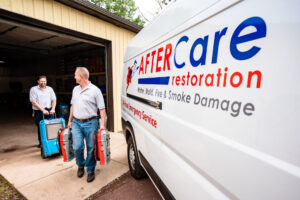
At AfterCare Restoration, we believe homeowners deserve clear answers, professional workmanship, and respectful communication throughout the restoration process.
As a local, family- and veteran-owned company and an IICRC Certified Firm, we bring restoration expertise and a commitment to doing what’s right for our customers.
Our services include:
- Professional mold remediation.
- Emergency water damage restoration.
- Water extraction and structural drying.
- Cleanup of affected building materials.
- Moisture assessment and monitoring.
- Reconstruction and repairs.
- Residential and commercial restoration.
We don’t believe in unnecessary scare tactics or recommending work that isn’t justified by the property’s conditions.
We believe in honesty, hard work, professionalism, compassion, communication, and responsibility.
Those aren’t simply words on a website. They’re the standards we work to uphold on every restoration project.
Schedule Mold Remediation in Montgomery County PA Today
Mold problems can develop quietly after water damage, but ignoring them can allow damage to continue.
Whether you’ve discovered mold in a finished basement, noticed a persistent musty odor, or experienced flooding that may have left hidden moisture behind, AfterCare Restoration is ready to help.
We proudly serve Lansdale, North Wales, Horsham, Ambler, Collegeville, Harleysville, Pottstown, Skippack, Blue Bell, King of Prussia, and surrounding Montgomery County communities.
Call AfterCare Restoration at 215-515-1000 for professional mold remediation in Montgomery County, PA.
Learn more about our Mold Remediation Services or explore our Montgomery County Restoration Services.