 Quakertown Water Damage Restoration: Sump Pump Failure and Four Days of Structural Drying
When a sump pump fails, water can affect more than one area of a basement. Removing standing water is an important first step, but moisture within building materials also needs attention before the cleanup is complete.
AfterCare Restoration recently responded to a sump pump failure at a property in Quakertown, PA, where water affected multiple basement rooms. Our team arrived in under one hour and performed water extraction, material removal, and structural drying in accordance with applicable IICRC standards. For homeowners in nearby Doylestown, Yardley, Newtown, New Hope, Richboro, Lower Makefield in Bucks County, AfterCare Restoration can respond to your home or commercial water damage cleanup in less than one hour!
Learn More About Water Damage Restoration in Bucks County PA
Water Damage Restoration Bucks County PA
The project involved four days of drying, using professional dehumidifiers and air movers. Here is an overview of the work and what Bucks County homeowners can learn from this restoration.
Project Overview
- Location: Doylestown, Bucks County, Pennsylvania
- Cause of water damage: Sump pump failure
- Affected area: Multiple basement rooms
- Emergency response: On-site in under one hour
- Restoration work: Water extraction, material removal, and structural drying
- Drying equipment: Dehumidifiers and air movers
- Total drying time: Four days
Every water damage project is different. This timeline reflects this particular job, rather than a guaranteed drying schedule for other properties.
The Situation: Water Across Multiple Basement Rooms
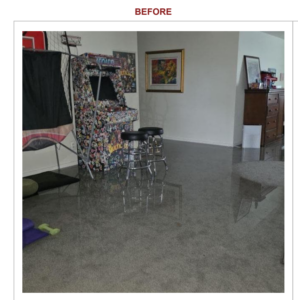
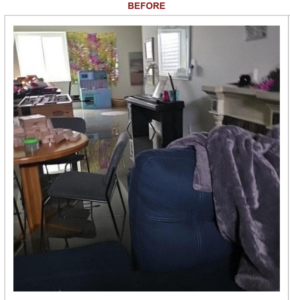
The sump pump failure resulted in water damage across several basement rooms. With multiple spaces affected, the restoration needed to address more than a single visible puddle.
Water can move through doorways, along floor edges, and into nearby materials. Depending on the construction, moisture may also reach areas that are difficult to inspect from the finished surface.
For homeowners, this can make the extent of damage hard to judge. A room that looks less affected may still need assessment. The restoration approach must account for the connected spaces and materials, rather than focusing only on where water is most obvious.
📞 Call AfterCare Restoration 24/7: 215-515-1000
Veteran Owned • IICRC Certified • 1‑Hour Response • FREE Estimates
Step 1: Responding in Under One Hour
AfterCare Restoration arrived at the Doylestown property in under one hour.
Prompt response gave our team the opportunity to begin addressing the water damage without a prolonged delay. For a homeowner managing an unexpected basement problem, having a restoration team on-site also provides a starting point for understanding the work ahead.
Response time is only one part of successful restoration. Once on-site, the work must match the conditions of the property and the materials involved.
Our response on this project was under one hour. Arrival times for other emergencies depend on location, access, weather, and current demand.
Step 2: Extracting Water From the Basement
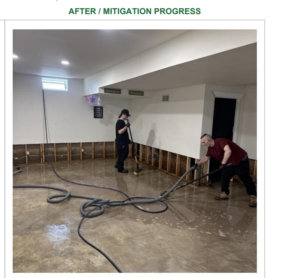
Our team performed water extraction in the affected basement areas.
Extraction removes accessible water and prepares the space for the next stage of restoration. It is different from structural drying, which addresses moisture remaining in building materials.
This distinction matters because a basement can look much better after extraction while still needing additional work. The absence of standing water does not establish that walls, flooring assemblies, or other affected materials are dry.
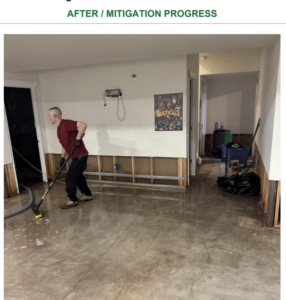
For this project, water extraction was followed by material removal and equipment-assisted drying. Together, these steps addressed both the visible water and the need to dry the affected structure.
Step 3: Removing Affected Materials
The restoration included material removal in the basement.
Removal decisions are an important part of a water damage project. The appropriate approach depends on material condition, water exposure, contamination, and whether effective drying is possible.
Not every wet material automatically needs replacement. However, leaving unsuitable materials in place can interfere with access and drying.
For homeowners, the useful question is not simply whether removal is necessary, but why it is recommended. A clear scope helps explain how removal relates to the larger restoration plan.
On this Doylestown job, material removal formed part of the work completed before and during structural drying.
Step 4: Using Dehumidifiers and Air Movers
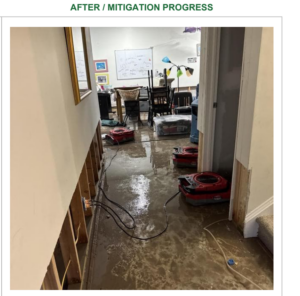
AfterCare Restoration used dehumidifiers and air movers to support structural drying throughout the affected basement spaces.
These types of equipment perform different but complementary functions.
Air movers create controlled airflow across affected surfaces, helping moisture evaporate into the air.
Dehumidifiers remove moisture from that air, supporting continued drying of the materials.
Using both is important because airflow alone does not remove water vapor from an enclosed space. Drying equipment must work together as part of a plan suited to the property.
Equipment selection and placement also depend on the affected rooms and construction. A setup that works for one basement may not be appropriate for another.
Step 5: Completing Four Days of Structural Drying
The project involved four days of total drying.
During that period, the dehumidifiers and air movers supported moisture removal from the affected areas. The water damage restoration, including structural drying, was performed in accordance with applicable IICRC standards.
Four days provides useful context for this case, but drying is not simply a countdown. Different materials, moisture levels, room configurations, and environmental conditions can change the time required.
Homeowners should also distinguish drying time from the full repair schedule. When reconstruction or replacement finishes are needed, those activities follow their own scope and timeline.
What This Project Shows Homeowners
This Doylestown restoration illustrates three practical points.
A sump pump failure can affect several rooms. The assessment should consider the connected basement spaces, rather than only the area nearest the pump.
Water removal and drying are separate steps. Extraction addresses accessible water, while structural drying addresses remaining moisture.
A coordinated process matters. On this project, extraction, material removal, dehumidification, and airflow were all part of the restoration.
The work also highlights a separate maintenance concern: the sump pump problem itself needs attention. Water damage cleanup does not replace evaluation and correction of the equipment failure.
Water Damage Restoration in Doylestown and Bucks County
For this Bucks County project, AfterCare Restoration responded in under one hour and completed water extraction, material removal, and four days of structural drying across multiple basement rooms.
Our team helps homeowners understand the restoration process through practical explanations and clear communication. Whether the damage involves a sump pump failure, plumbing leak, or another source, the next steps should reflect the conditions at your property.
If you discover water in your basement, avoid areas with electrical hazards and seek assistance from a safe location.
Call AfterCare Restoration at 215-515-1000 for 24/7 emergency water damage restoration in Doylestown and surrounding Bucks County communities.
Clear Guidance for Bucks County Homeowners
AfterCare Restoration helps homeowners in Doylestown, Yardley, Newtown, New Hope, Richboro, Buckingham, and nearby Coopersburg address mold and water damage with practical guidance and clear communication.
Our team assesses affected areas, explains the recommended remediation work, and identifies moisture concerns that need attention. We help you understand cleanup, drying, and repair needs so you can make informed decisions about your home.
If you have noticed recurring growth, persistent odors, or unexplained dampness, call AfterCare Restoration at 215-515-1000 for a professional assessment. Understanding the cause is the first step toward a lasting solution.
See Links Below To Learn More About Water & Flood Damage Restoration:
Why FAST Water Damage Restoration Matters
AfterCare & 5 Star Restoration Service
AfterCare IICRC Certified Firm
Click Below To Visit Our Emergency Service FAQ Page
FAQ – Emergency Restoration Experts
★★★★★ 130+ Five-Star Reviews by Homeowners
When water or fire damage disrupts your home or business, you need a restoration company that responds fast, communicates clearly, and delivers results you can trust. AfterCare Restoration is a local, veteran‑owned, IICRC Certified Firm serving Eastern Pennsylvania with industry‑leading expertise and a commitment to doing the job right the first time.
📍 Proudly Serving Eastern Pennsylvania
- Our local team serves homes and businesses across:
- Bucks County
- Chester County
- Delaware County
- Lehigh County
- Montgomery County
- Northampton County
We know Pennsylvania homes, building materials, and insurance processes — and we respond fast because we’re right here in your community.
📞 Call AfterCare Restoration 24/7: 215-515-1000
Veteran Owned • IICRC Certified • 1‑Hour Response • FREE Estimates